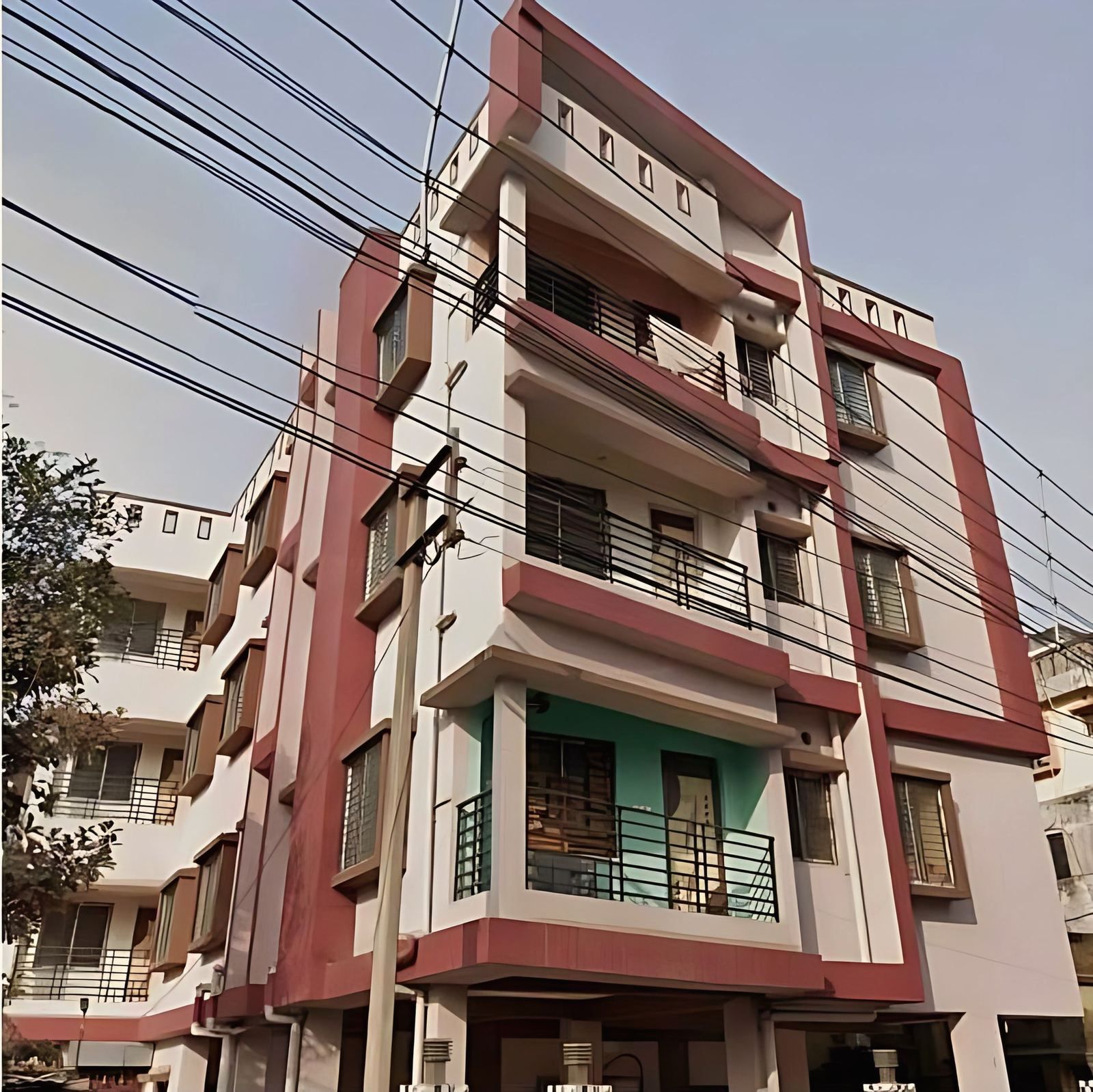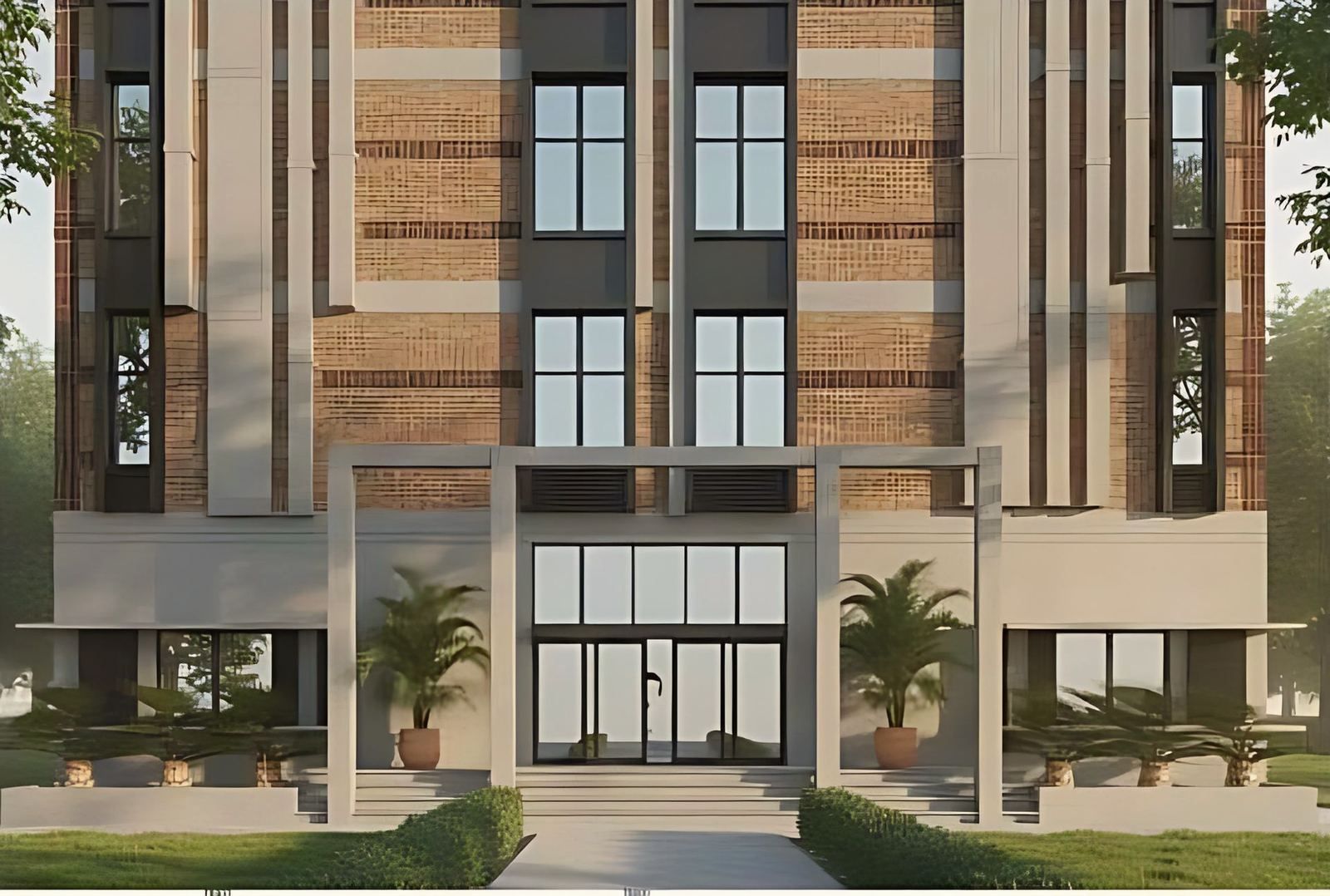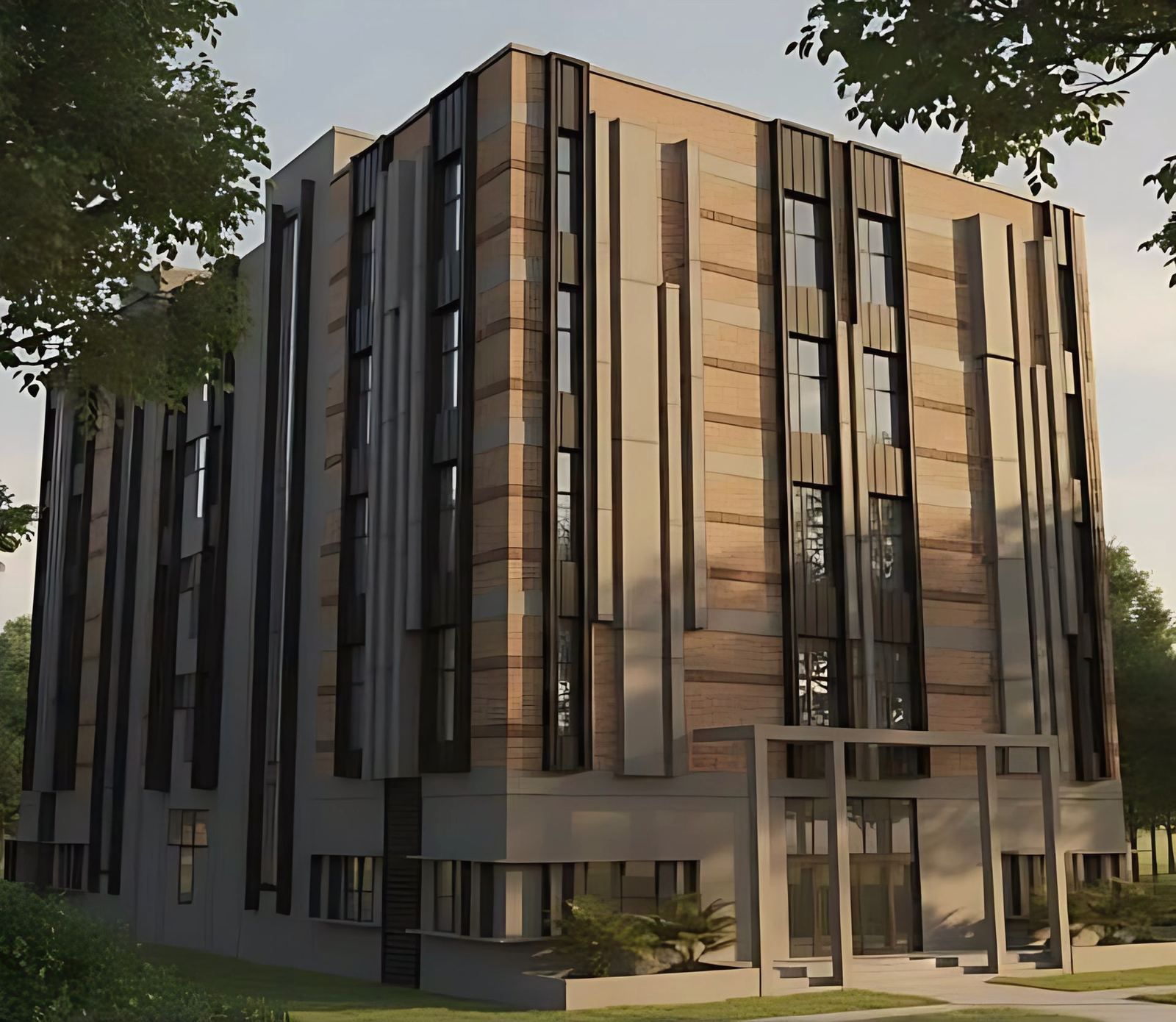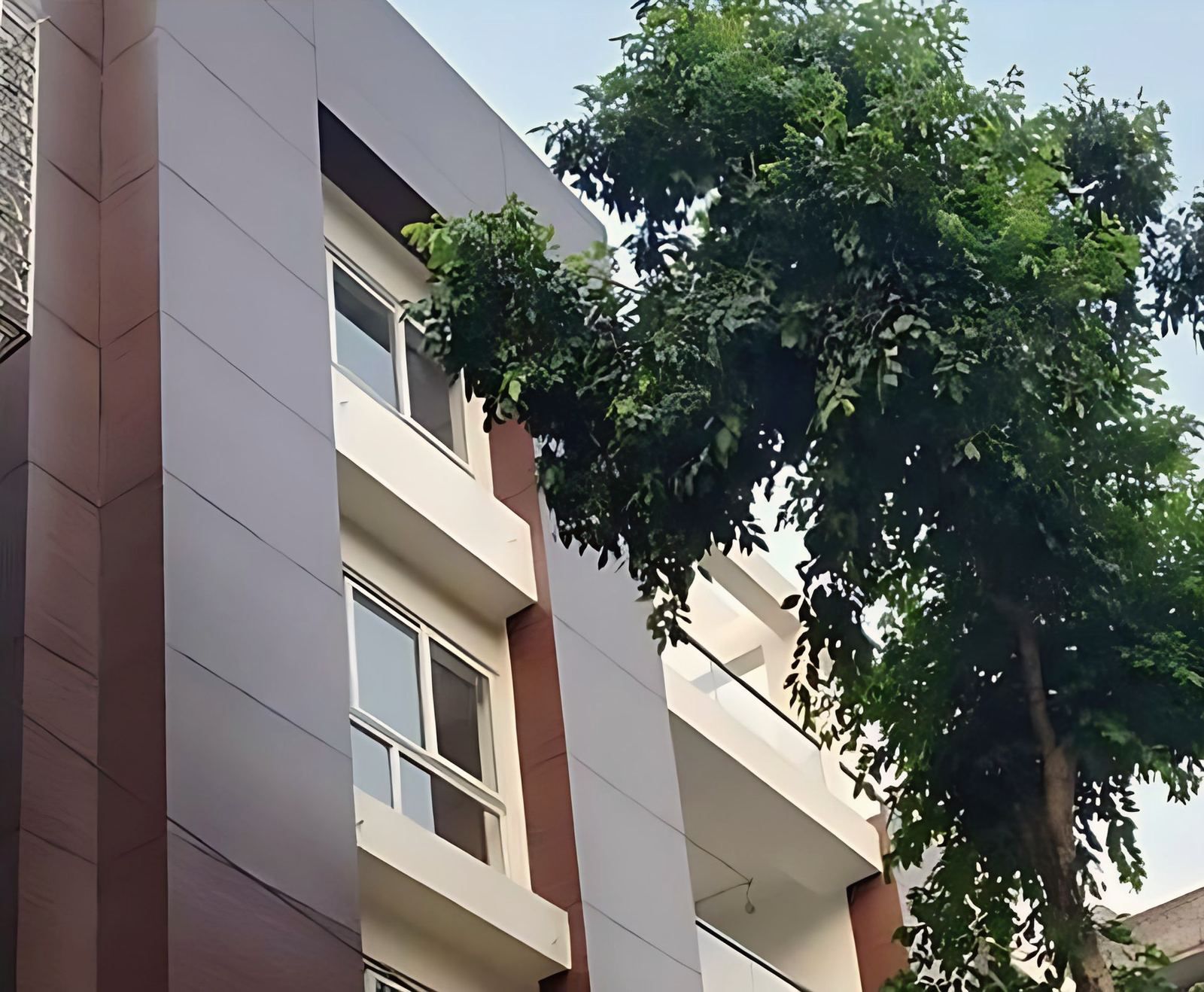
In October 2026 one price aggregator listed Kolkata at about Rs 9 for a red clay brick, Rs 6 for a fly ash brick and Rs 87 for a 600 x 200 x 200 mm AAC block. A block is far larger than a brick, so compare cost per cubic metre of wall, along with weight, strength and how each wall takes plaster in the monsoon.
What are the three materials?
A red brick is a common burnt clay brick, made to IS 1077 of 1992. A fly ash brick uses fly ash from thermal power plants, and a fly ash-lime brick is covered by IS 12894 of 2002. An AAC block is an autoclaved aerated concrete block, a lightweight cellular block covered by IS 2185 (Part 3) of 1984.
IS 12894 covers fly ash-lime bricks. Cement and fly ash bricks are a different product that this standard does not describe, so ask a dealer which standard a brand claims.
How do the three materials compare on strength and weight?
Red bricks and fly ash bricks are sold by strength class, and AAC blocks by density band and grade. The standards give these figures:
| Property | Red clay brick (IS 1077) | Fly ash-lime brick (IS 12894) | AAC block (IS 2185-3) |
|---|---|---|---|
| Strength | Classes 3.5 to 35 N/mm2 | Classes 3.5 to 30 N/mm2 | 1.5 to 7.0 N/mm2, by density band and grade |
| Water absorption | Up to 20 per cent by weight (classes to 12.5), 15 per cent above | Same limits | Not compared here |
| Weight | Brick masonry 18.85 kN/m3 (IS 875-1) | Not separately listed | Dry density 451 to 1000 kg/m3 |
| Thermal conductivity | No reliable figure found | No reliable figure found | 0.21 to 0.42 W/m.K, rising with density |
Two points make the comparison fairer. First, the IS 875 value of 18.85 kN/m3 (about 1,920 kg/m3) is for brick masonry with its mortar, while the AAC figure is the dry density of the block alone. Even so, an AAC block in the 551 to 650 kg/m3 band weighs roughly 29 to 34 per cent of brick masonry, which lightens the load on beams, slabs and foundations.
Second, a block rated at 4.0 N/mm2 is not as strong as a class 10 brick, so AAC suits infill walls in a framed structure, and its own standard sets minimum thicknesses: 10 cm for internal non-load-bearing walls and 20 cm for external panel walls (IS 6041). A structural engineer should confirm any load-bearing use.
An IIT Bombay study found that AAC outperformed stabilised earth and compressed fly ash blocks for indoor temperature, citing its low conductivity and specific heat. That study does not cover red brick, and this post does not claim a conductivity for it.
What does each cost in Kolkata?
The InfraLens price page, dated October 2026, lists these per piece:
| Item | Typical price | Range |
|---|---|---|
| Red clay brick | Rs 9 | Rs 7 to 10 |
| Fly ash brick | Rs 6 | Rs 5 to 7 |
| AAC block, 600 x 200 x 200 mm | Rs 87 | Rs 69 to 105 |
InfraLens is an aggregator and does not name its survey method, so treat the figures as a guide and ask dealers for a written quote.
To compare per cubic metre, an illustrative calculation helps. Take the non-modular brick size of IS 1077, 230 x 110 x 70 mm, which has a volume of about 0.00177 m3. A 600 x 200 x 200 block has a volume of 0.024 m3, about 13.5 times as much. Dividing the typical price by the volume gives about Rs 5,100 per m3 for red brick, Rs 3,400 per m3 for a fly ash brick of the same size, and Rs 3,600 per m3 for AAC. This is the cost of the units alone, without mortar, wastage, labour or plaster. Fewer joints and faster laying often favour AAC, and a brick wall needs more mortar. Ask your contractor for the full rate per sq m of wall.
What does the law say about fly ash bricks?
The Ministry of Environment, Forest and Climate Change notification says that “every construction agency engaged in the construction of buildings within a radius of three hundred kilometers from a coal or lignite based thermal power plant shall use only fly ash based products”. The 300 km figure replaced 100 km by an amendment of 25 January 2016. The table in the notification sets a minimum fly ash content of 50 per cent for fly ash bricks and blocks with no clay, and 25 per cent of the raw material for clay-based bricks.
The copy used here is a consolidated version hosted by the Tamil Nadu Pollution Control Board, not the gazette original. Check the current text with the Ministry or your municipality before you rely on it.
West Bengal has its own brick kiln rules. An order of 29 May 2015 asks brick fields within 100 km of a coal-based thermal plant to use at least 25 per cent fly ash. A notice of the West Bengal Pollution Control Board of 30 December 2022 says it will not grant consent to establish to any brick kiln that does not use piped natural gas or zig-zag technology. These rules bear on supply, so ask a dealer how his bricks are made.
Why do AAC walls crack, and how do you prevent it?
AAC walls crack when the mortar is too strong for the block, when plaster is applied to wet walls, or when different materials meet without a joint. IS 6041 gives specific advice:
- Lay the blocks in a mortar weaker than the block. The standard asks for 1:2:9 cement-lime-sand normally and 1:1:6 for high load or severe exposure.
- Put 3 mm wire or mesh in the bed joints every 900 to 1,200 mm.
- Cut the plaster at the junction with the ceiling.
- Do not apply external render to wet walls or in the monsoon.
- In heavy-rainfall areas apply two coats of external render, about 15 mm of 1:1:6 and a finish of 5 to 10 mm.
Kolkata’s average annual rainfall is 1,713.5 mm at Alipore, according to the India Meteorological Department’s climate summary, so a bare AAC face is a risk. The guide to damp and seepage in Kolkata houses explains where water enters a wall.
How should an owner choose?
The choice follows the structure and the site, and a mixed answer is common.
| Situation | Material that fits |
|---|---|
| RCC frame, tall building, weight matters | AAC infill, sized by the structural engineer |
| Load-bearing wall or boundary wall | Red or fly ash brick of a stated class |
| Wall left exposed as the finish | Good red brick, with detailing against damp |
| Budget is tight and the mason is skilled | Compare whole-wall rates, not unit rates |
For wall systems that save brick, read the guide to rat-trap bond walls. Whichever you pick, put the grade, the mortar mix and the plaster specification in the contract. The site supervision checklist shows where to check them.
What next?
To fix a wall specification before the drawings are issued, the studio’s architecture service covers it, and its site supervision service covers checking it on site. You can write through the contact page.