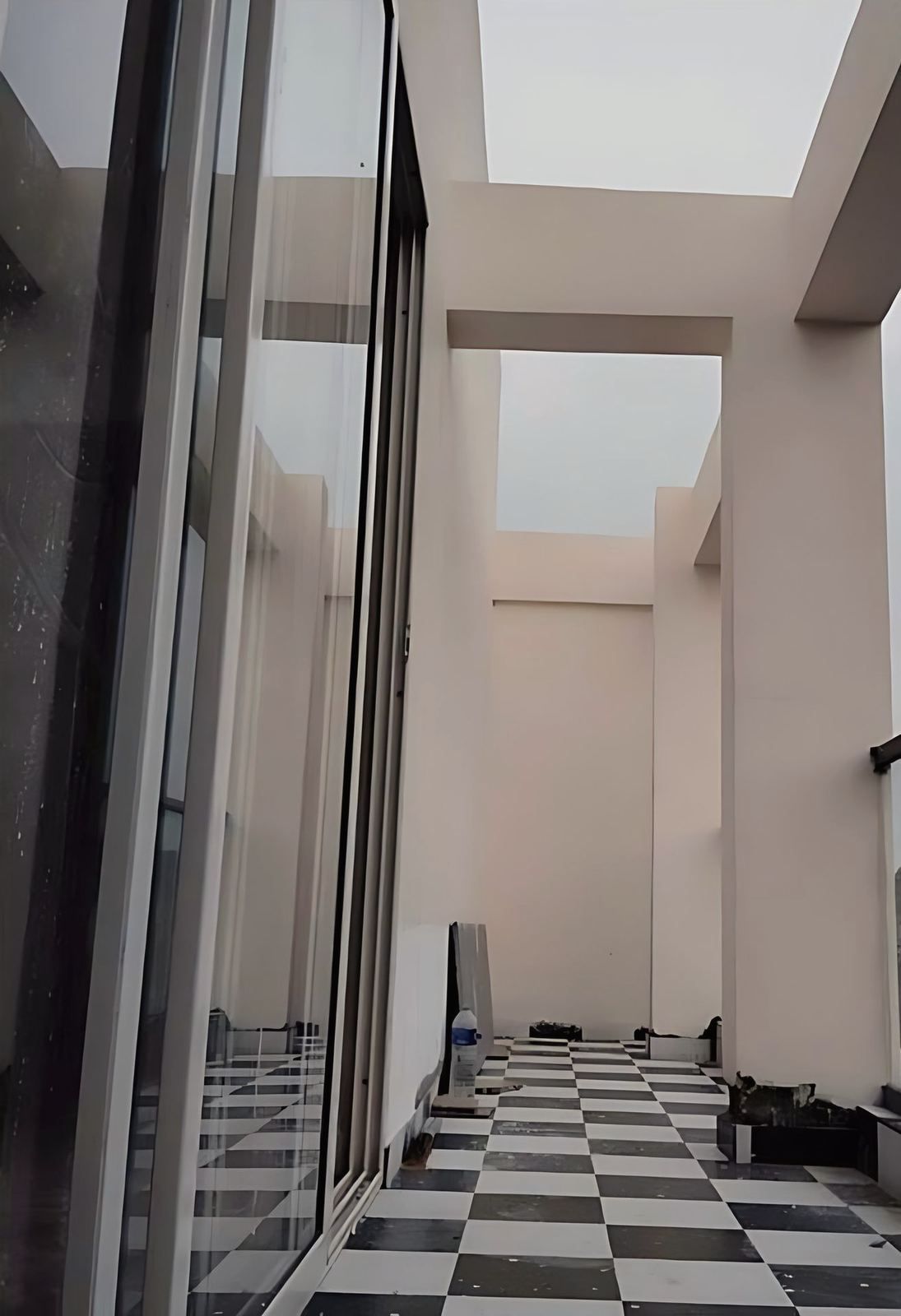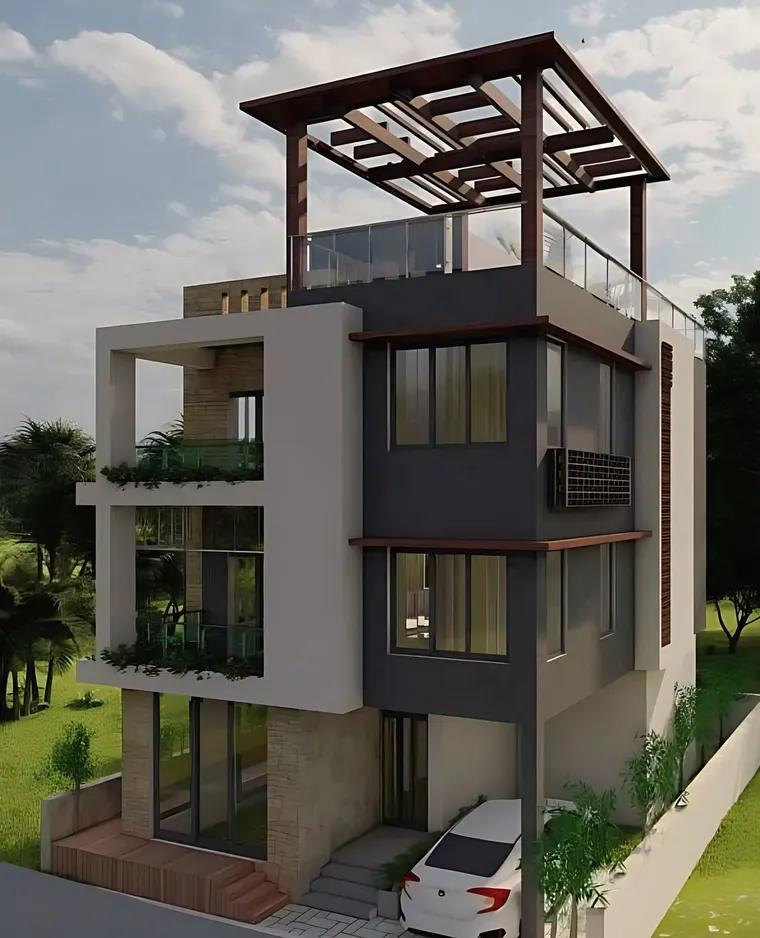
IGBC rates homes, schools and hospitals in four levels from Certified to Platinum, with 50 to 100 points for a multi-dwelling home project. GRIHA gives one to five stars from 25 points. West Bengal allows 10 per cent extra FAR for a green building, but only at IGBC Gold, GRIHA four stars or LEED Gold and above.
What are IGBC and GRIHA?
IGBC is the Indian Green Building Council, part of the Confederation of Indian Industry. Its Green Homes system was the first rating programme developed in India exclusively for the residential sector. GRIHA stands for Green Rating for Integrated Habitat Assessment, and the manual describes it as a GRIHA Council and TERI initiative.
Each body runs several systems by building type, so the first question is which system fits your project, not which body.
What are the rating levels?
The points and levels below are as published on each body’s pages in November 2026. Both change between versions.
| System | Levels and points |
|---|---|
| IGBC Green Homes, multi-dwelling | Certified 50 to 59, Silver 60 to 69, Gold 70 to 79, Platinum 80 to 100 |
| IGBC Green New Buildings, version 4 (Nov 2025) | Certified 50 to 59, Silver 60 to 69, Gold 70 to 79, Platinum 80 to 100 |
| IGBC Green Schools, new | 55 to 65, 66 to 76, 77 to 87, 88 to 110 |
| IGBC Green Schools, existing | 50 to 59, 60 to 69, 70 to 79, 80 to 100 |
| IGBC Green Healthcare, new | 50 to 59, 60 to 69, 70 to 79, 80 to 100 |
| IGBC Green Healthcare, existing | 45 to 53, 54 to 62, 63 to 71, 72 to 90 |
| GRIHA | One star 25 to 40, two 41 to 55, three 56 to 70, four 71 to 85, five 86 and above |
| SVAGRIHA, small buildings | 50 points: one star 25 to 29, two 30 to 34, three 35 to 39, four 40 to 44, five 45 to 50 |
IGBC Green New Buildings version 3 had different bands (Gold at 60 to 74), and IGBC says that from 1 May 2026 all pre-certification and certification follow version 4. The GRIHA abridged manual states that the minimum for certification is 25 points. GRIHA Large Developments and Affordable Housing use the same star bands, with Large Developments scored out of 100.
IGBC Green Homes also has recognition labels, such as Best Practices and Outstanding Performance, and treats its mandatory requirements as non-negotiable. A pre-certification is valid for 3 years.
Which rating suits a house, a school or a hospital?
| Project | System to look at |
|---|---|
| Single dwelling | IGBC Green Homes (individual dwelling), or SVAGRIHA for a bungalow or small building |
| Apartment block | IGBC Green Homes (multi-dwelling), or GRIHA |
| School | IGBC Green Schools |
| Nursing college, hospital or nursing home | IGBC Green Healthcare, or GRIHA |
| Office or mixed building | IGBC Green New Buildings, or GRIHA |
These pairings follow the system names on the IGBC and GRIHA pages. Ask the body to confirm the right system for your building before you register.
What do the ratings cost?
IGBC published a Green Homes fee schedule effective 1 February 2025. Registration for multi-dwelling projects is Rs 29,500 for members and Rs 35,400 for non-members, including 18 per cent GST. Certification for a project of 5,000 sq m and below is Rs 2,20,000 for a founding member, Rs 2,40,000 for an annual member and Rs 2,60,000 for a non-member, plus GST. An individual dwelling of 300 sq m or less pays Rs 10,000 to register and Rs 15,000 to certify.
IGBC Green Schools lists registration at Rs 25,000 and certification at Rs 1,75,000, excluding GST. GRIHA’s registration and certification fees were not found on the pages consulted, and its fast-track fees start at Rs 2 lakh for SVAGRIHA and Rs 10 lakh for Affordable Housing. Ask the body for the current schedule.
IGBC states that rated homes save 20 to 30 per cent of energy and 30 to 50 per cent of water. That is the council’s own claim, and the figure depends on the building.
What does West Bengal give a green building?
West Bengal gives extra floor area, with conditions. The chain of rules runs as follows:
- KMC Building Rules, 2009, rule 69A(1)(a), in the consolidated text last updated 23 December 2019, allows 10 per cent additional FAR for any proposed or constructed green building.
- A West Bengal order of 28 December 2016, under rule 53A of the West Bengal Municipal Building Rules, 2007, allows the 10 per cent only for buildings rated IGBC Gold or higher or GRIHA four stars or higher.
- An order of 13 April 2018 adds LEED Gold or higher.
- The extra area costs 10 per cent of the incremental land value at registration-circle rates, and some cases pay 25 per cent. Sanction is granted on pre-certification. If the building does not get the rating, the order sets a penalty of 150 per cent of the value of the extra area.
The IGBC incentives page says KMC and NKDA each give the additional 10 per cent FAR for IGBC Gold or above. This post found the KMC rule but did not confirm NKDA’s own rule. The IGBC page lists a property tax reduction of up to 20 per cent under Kerala, and no West Bengal property tax rebate for rated buildings was found. Confirm the current rules with the authority, since they change.
For the FAR calculation itself, read the guide to FAR and setbacks in Kolkata.
How should you plan for a rating?
Decide before the sketch design, because rating points depend on early choices such as orientation, shading, water use and materials. The steps run in this usual order, and each body publishes its own process:
- Choose the system and register the project.
- Design to the mandatory requirements and score the credits.
- Apply for pre-certification, which the West Bengal FAR bonus needs.
- Build, document and apply for certification.
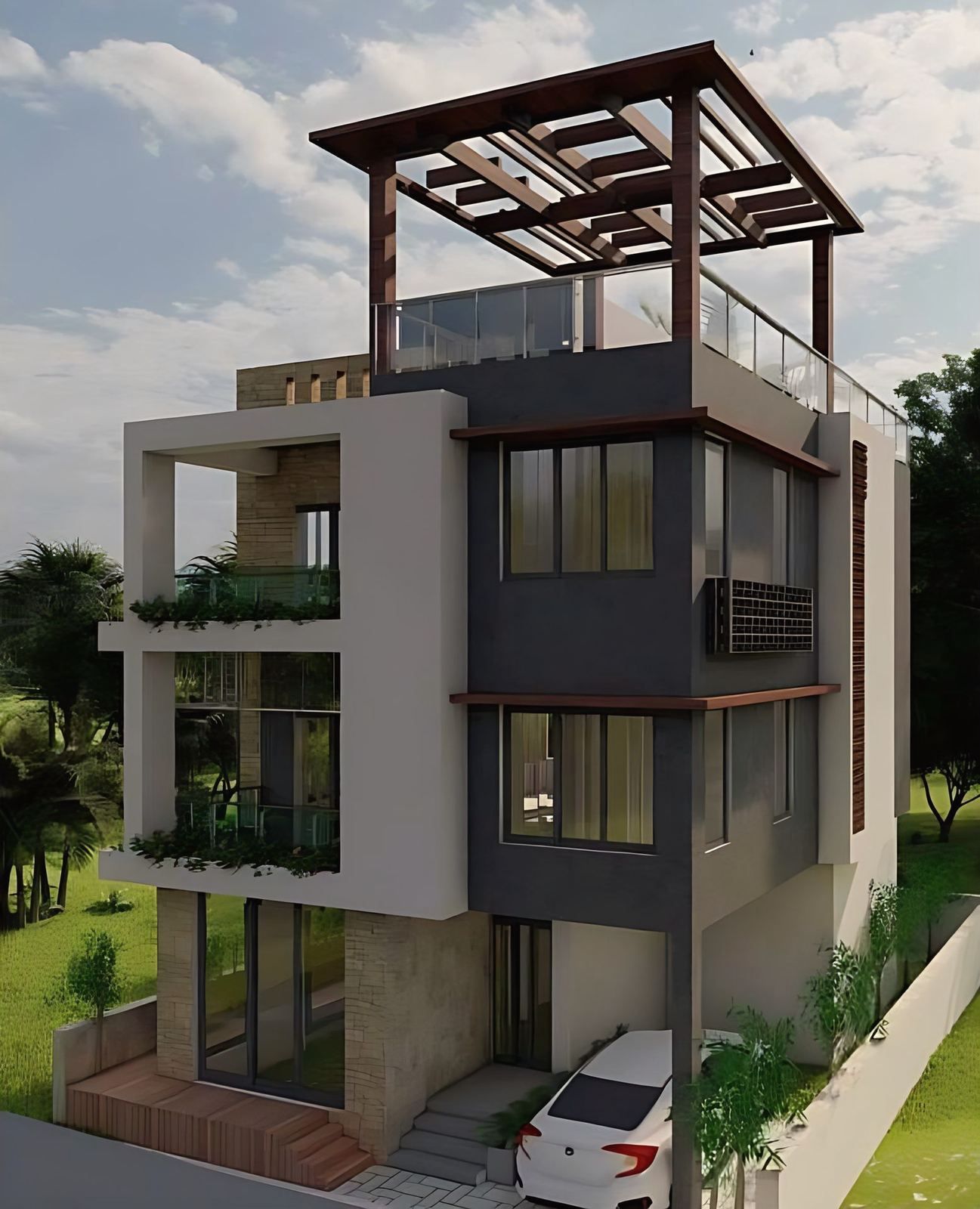
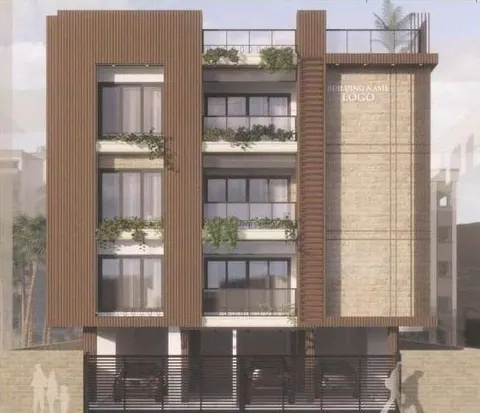
Design moves that score in any system include shading and orientation, such as the fins on the studio’s Lauhati nursing college, planted balconies like those at the Mukundapur apartments, and a roof that reflects heat. The guide to cool roofs and the Eco Niwas Samhita covers the national energy code for homes.
To discuss a rating for a project, the studio’s architecture service covers the design side, and the contact page is the way to begin. Only the rating bodies certify a building.