Heritage conservation, restoration and adaptive reuse
Old buildings kept and given new use, and new buildings that draw on the architecture of Bengal.
What the studio does
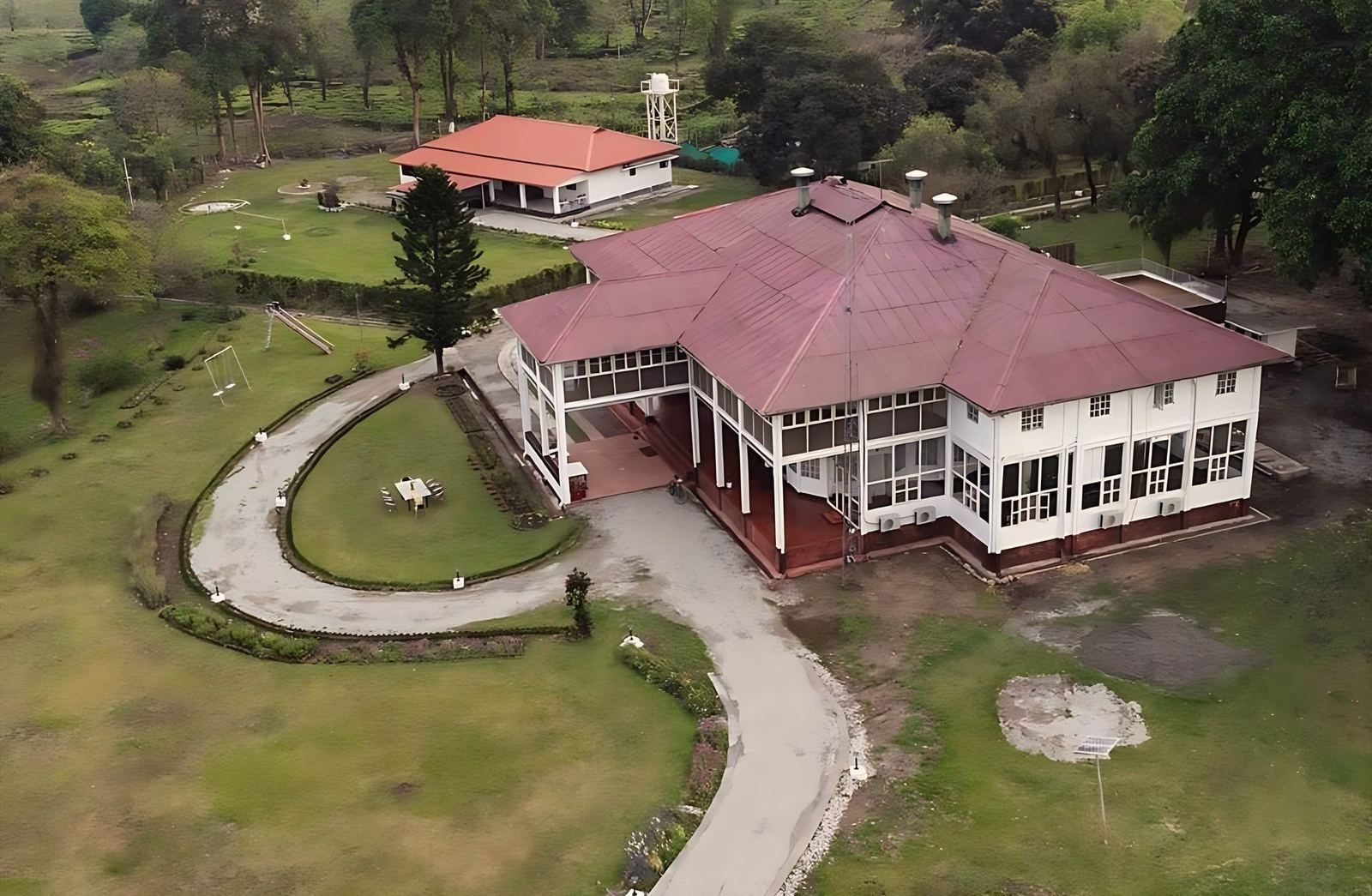
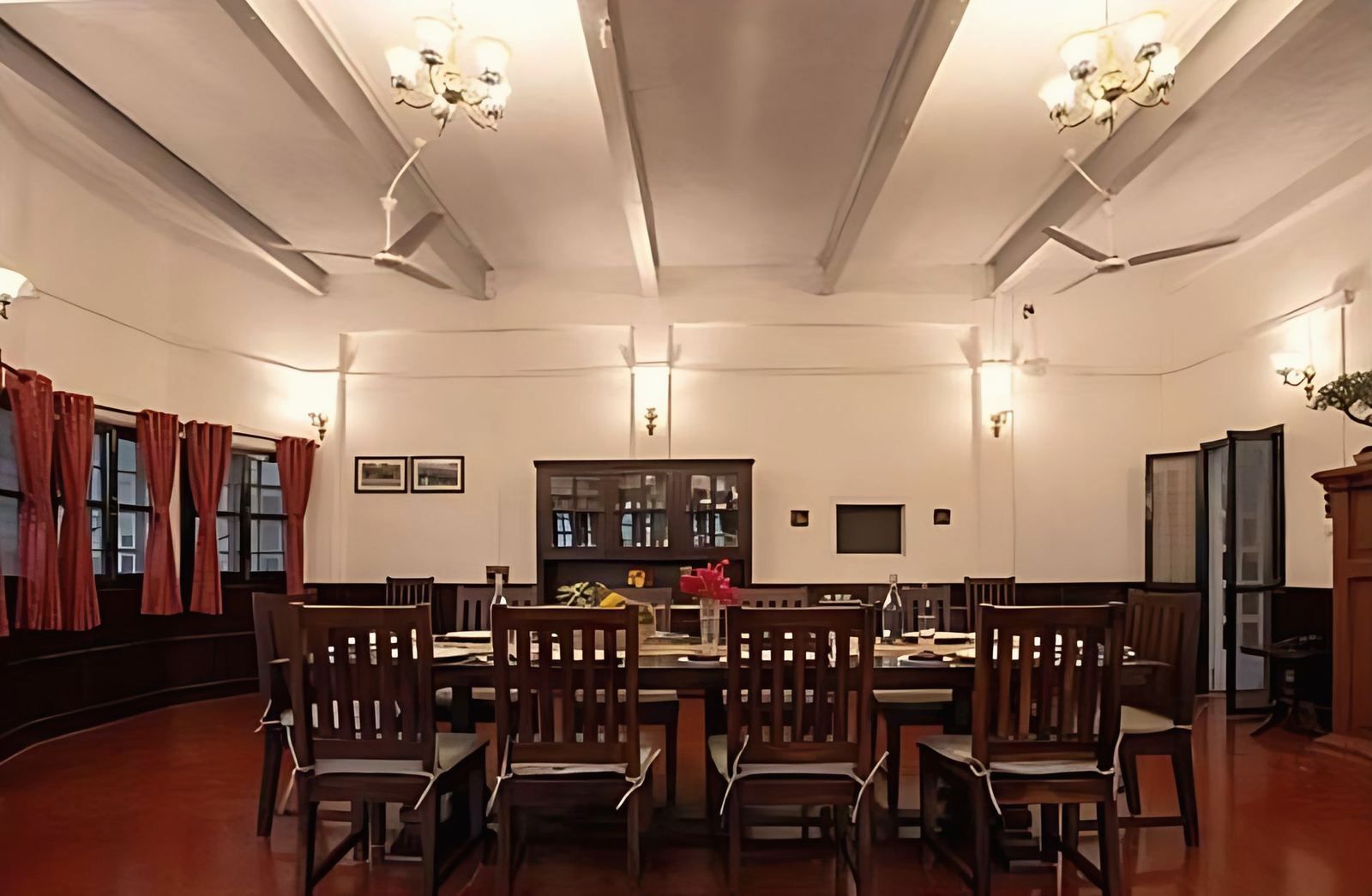
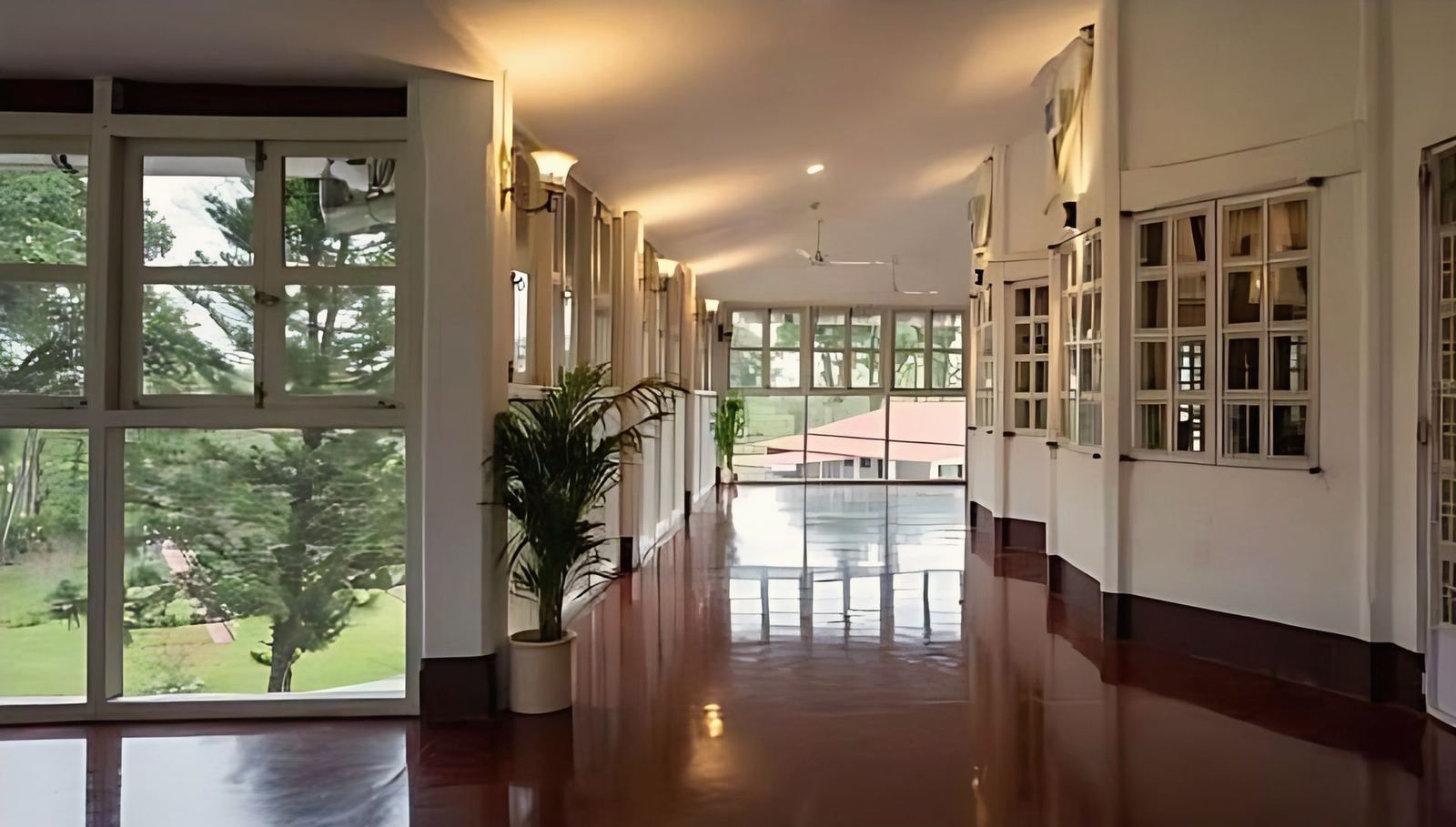
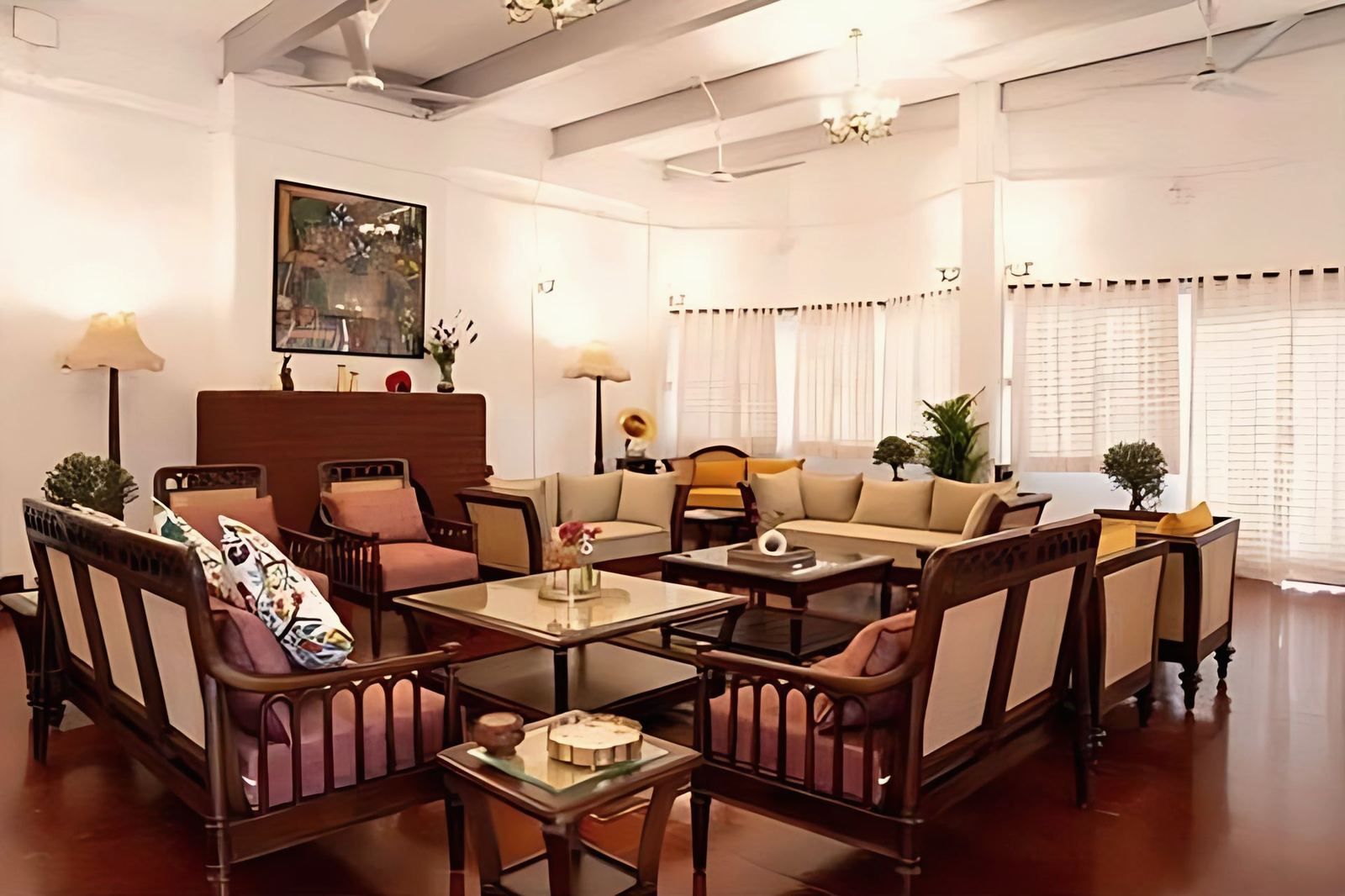
At Budlapara in Assam the studio conserved a 96-year-old colonial tea-estate bungalow and adapted it as a heritage homestay, keeping its verandahs, proportions and red oxide floors while fitting in what a guest expects. The Ministry of Tourism gave the retreat a Gold Star Recognition.
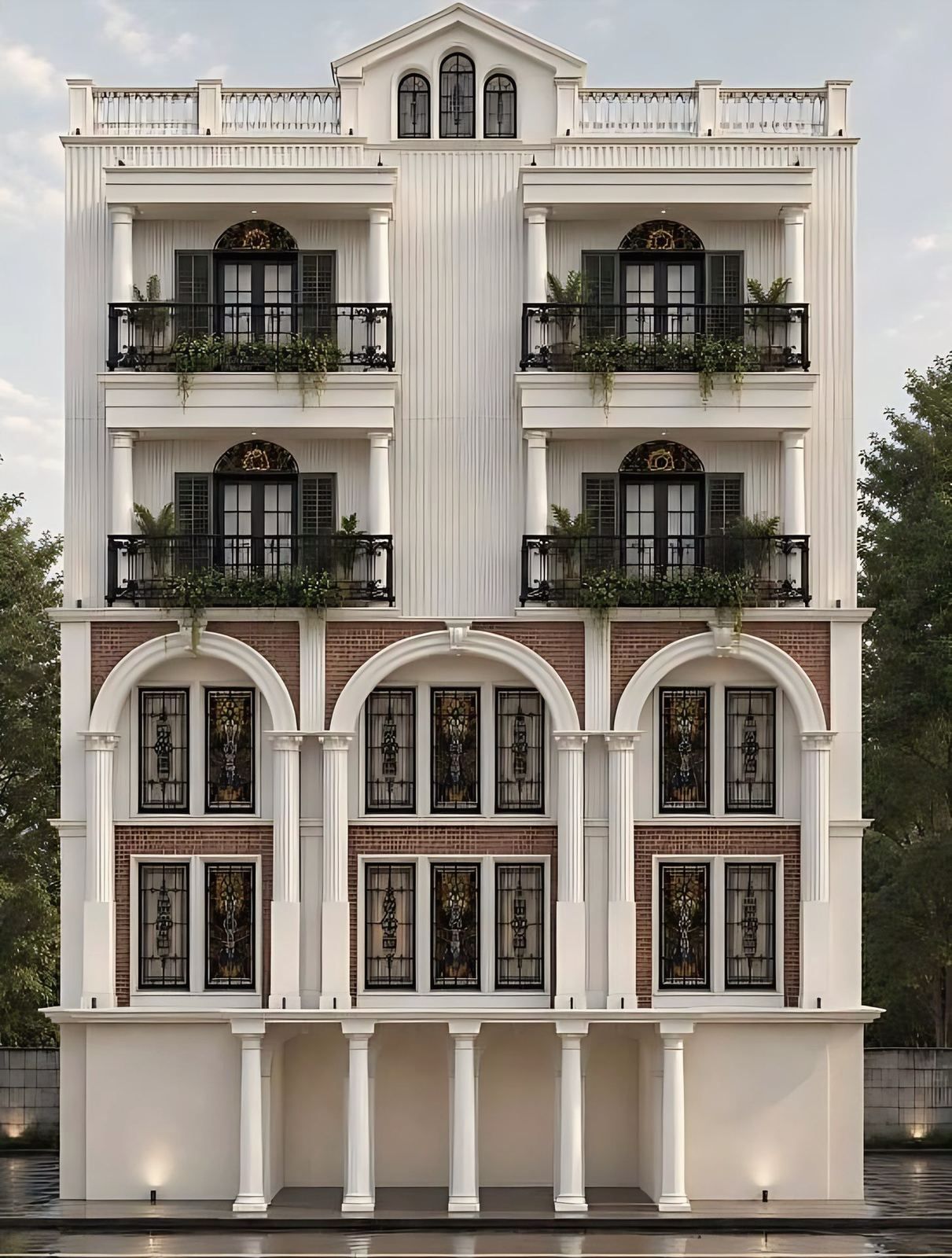
The same knowledge informs new work that remembers the past, such as a residence on Meghnad Saha Sarani that draws on the Rajbaari, the zamindar palaces of Bengal. In Kolkata, work on a graded heritage building also goes through the municipal heritage process, which the studio plans for from the first survey.
Scope of work
- Measured survey and condition record
- Significance and retention strategy
- Repair and restoration details
- Adaptive reuse planning, such as homestays and hospitality
- Services fitted without harming the fabric
- Heritage approvals and documentation
For
- Colonial bungalows and old Kolkata houses
- Tea-estate bungalows
- Heritage hospitality
- New buildings in a traditional idiom
Projects
How a project runs
- Understand the briefConversations on site and in the studio about vision, use, purpose and budget.
- Scheme and moodScheme layouts drawn in AutoCAD, with mood boards for material and atmosphere.
- Visualise in 3DSketchUp and 3ds Max visualisations, so the client can walk through the design before it is built.
- Draw for siteSite-ready working drawings, and sanction drawings for the approving authority.
Questions clients ask
Has the studio restored a heritage building?
Yes. It conserved a 96-year-old tea-estate bungalow at Budlapara in Assam and adapted it as a heritage homestay, which the Ministry of Tourism recognised with a Gold Star.
Can an old Kolkata house be renovated without losing its character?
Usually, yes. The work starts with a survey of what is original and sound, then plans repairs and new services around it. Graded heritage buildings need permission through the Kolkata Municipal Corporation’s heritage process.
What is adaptive reuse?
Adaptive reuse means giving an old building a new use, such as a planter’s bungalow becoming a homestay, while keeping what makes it valuable.
Guides from the blog
- Heritage building restoration in Kolkata: KMC grades and the process
KMC grades heritage buildings I, IIA, IIB and III. Work on a graded building goes through the Environment and Heritage Department and the Heritage Conservation Committee, and Grade I proposals rest on a Mayor-in-Council resolution. Check whether your old house is graded before you plan any repair or alteration.
Heritage, - Old house renovation in Kolkata: what needs KMC sanction and what it costs
Under rule 3(2) of the KMC Building Rules, 2009, repairs such as painting, plastering, reflooring, plumbing and internal partitions need no building permit, though some need 15 days' notice. Removing a wall, column or beam, adding area or height, or changing use is alteration and needs sanction. Vendor renovation rates in Kolkata run from ₹1,300 to ₹3,500 per sq ft.
Guides, - Adaptive reuse of old buildings in India: approvals and structural checks
Adaptive reuse means changing an old building to suit a new use while keeping what makes it significant. The Burra Charter accepts it only where impact on significance is minimal. In Kolkata, work on graded heritage buildings goes through KMC's Heritage Conservation Committee, and structural checks follow IS 15988:2013 for concrete and IS 13935:2009 for masonry.
Heritage, - Bengal vernacular architecture: chala roofs, verandahs and courtyards
Bengal vernacular architecture is the building tradition of the delta: clay brick, timber, bamboo and thatch, shaped by about 1,800 mm of rain a year. Its core elements are the curved chala roof, the deep verandah, the courtyard and terracotta-faced brick. Each one still solves a Kolkata problem.
Design and styles, - Bungalow design in India: plans and forms, from colonial to today
A bungalow is a detached house, from the Hindi word bangla, meaning of Bengal. It began as the single-storey Bengal hut with a thatched roof and raised plinth, and the British turned it into a detached house with verandahs in a walled compound. In India today the word means any independent house.
Design and styles, - Homestay design in India: Silver and Gold rules, West Bengal and Assam
The Ministry of Tourism classifies homestays as Silver or Gold, with 1 to 6 rooms and an owner living on site. West Bengal's 2026 policy allows 1 to 8 rooms but only in rural areas. Assam's cabinet approved new homestay rules in June 2026. Hotels follow a different route, with a fire NOC at any size.
Public and commercial,
Start a conversation
Call +91 90079 36957, WhatsApp the studio, or send a few lines about the site and what you have in mind.