Materials and climate
Damp, monsoon, heat, earthquakes and the materials that cope with eastern India.
- AAC block vs red brick vs fly ash brick in Kolkata: cost, damp, strength
In October 2026 one dealer-price aggregator listed Kolkata prices of about Rs 9 for a red brick, Rs 6 for a fly ash brick and Rs 87 for a 600 x 200 x 200 mm AAC block. Per cubic metre of wall the gap narrows, and AAC is far lighter. Strength, damp and plaster all depend on the mortar and the detailing.
Materials and climate, - Cool roofs and the Eco Niwas Samhita: what the energy code asks of homes
ENS 2024 sets a roof U-value of at most 1.2 W/m2K and a RETV of at most 15 W/m2 for warm-humid places such as Kolkata. It applies from 100 kW of connected load or 120 kVA of demand, so most single homes fall outside it. Its cool-roof annexure is advisory and gives a reflectance of 0.6.
Materials and climate, - Cross-ventilation in Kolkata apartments: orientation and opening rules
The National Building Code asks for openings of one-sixth of the floor area in warm-humid places such as Kolkata. KMC's 2009 rules ask only for one-tenth. Winds in Kolkata blow from the south-west or south-east in summer and the monsoon, and from the north in winter, so openings on opposite walls matter more than total window area.
Materials and climate, - Earthquake zone of Kolkata and Assam: what IS 1893 means for your house
Under IS 1893 (Part 1):2016, Kolkata is in seismic Zone III (zone factor 0.16) and Guwahati and the North East are in Zone V (0.36). A 2025 edition that added a Zone VI for the Himalayan arc is listed by BIS as withdrawn, so the four-zone 2016 map applies. A Zone V site is designed for 2.25 times the base force of a Zone III site.
Materials and climate, - Flood-resilient house design in eastern India: plinth, walls and utilities
NDMA and BMTPC advise a plinth at least 0.6 m above the flood level, stilts in frequently flooded zones, and burnt brick in cement mortar of 1:6 or richer for the lower walls. Assam's flood plain zoning bill is still proposed, so the rule that binds a plot is the local building rule.
Materials and climate, - IGBC and GRIHA green building ratings: levels, fees, Bengal FAR bonus
IGBC rates homes, schools and hospitals in four levels from Certified to Platinum, at 50 to 100 points for homes. GRIHA gives one to five stars from 25 points. In West Bengal a green-rated building can get 10 per cent extra FAR, but only at IGBC Gold, GRIHA four stars or LEED Gold or higher.
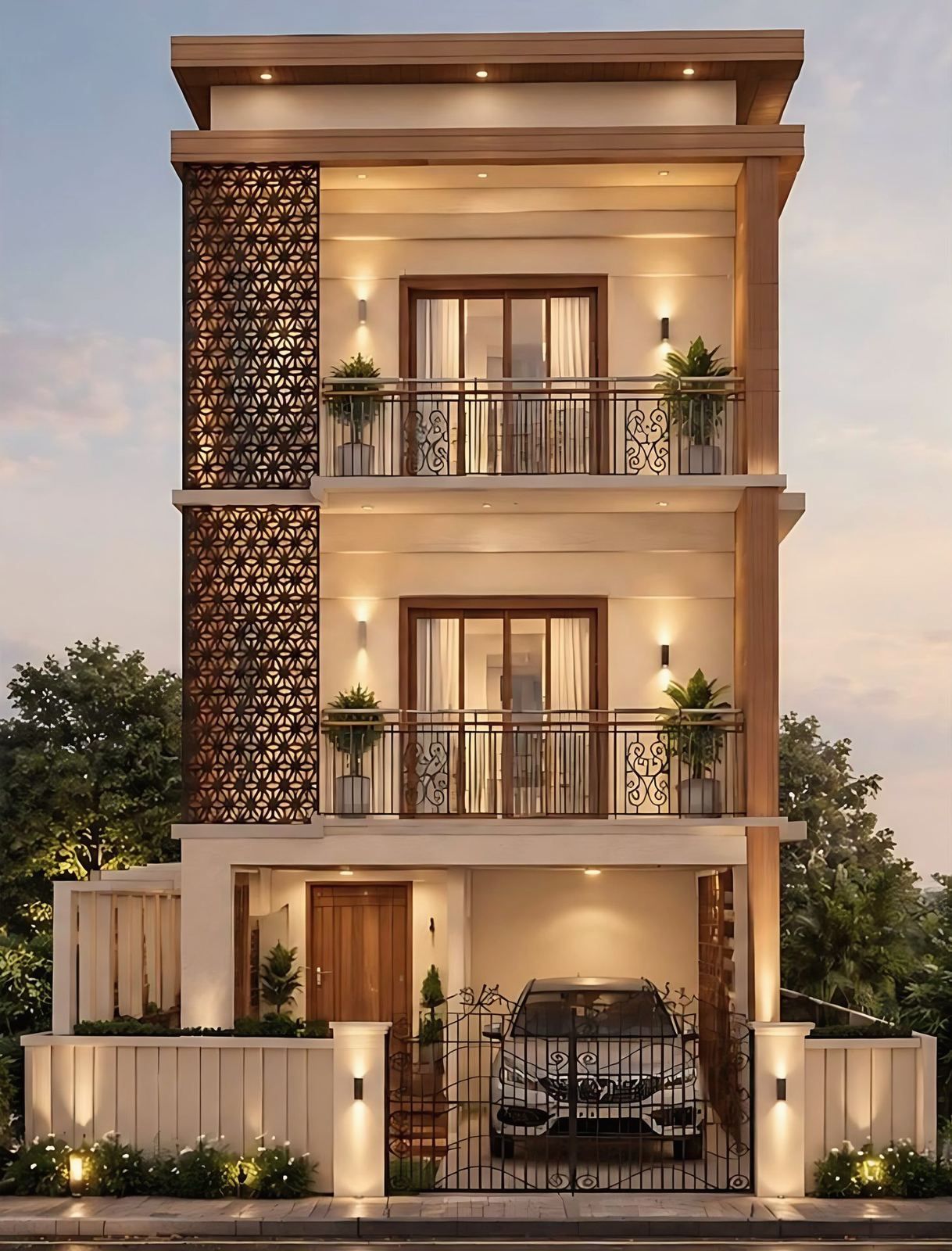
Materials and climate, - Jaali and exposed brick facade design: specify them so they do not leak
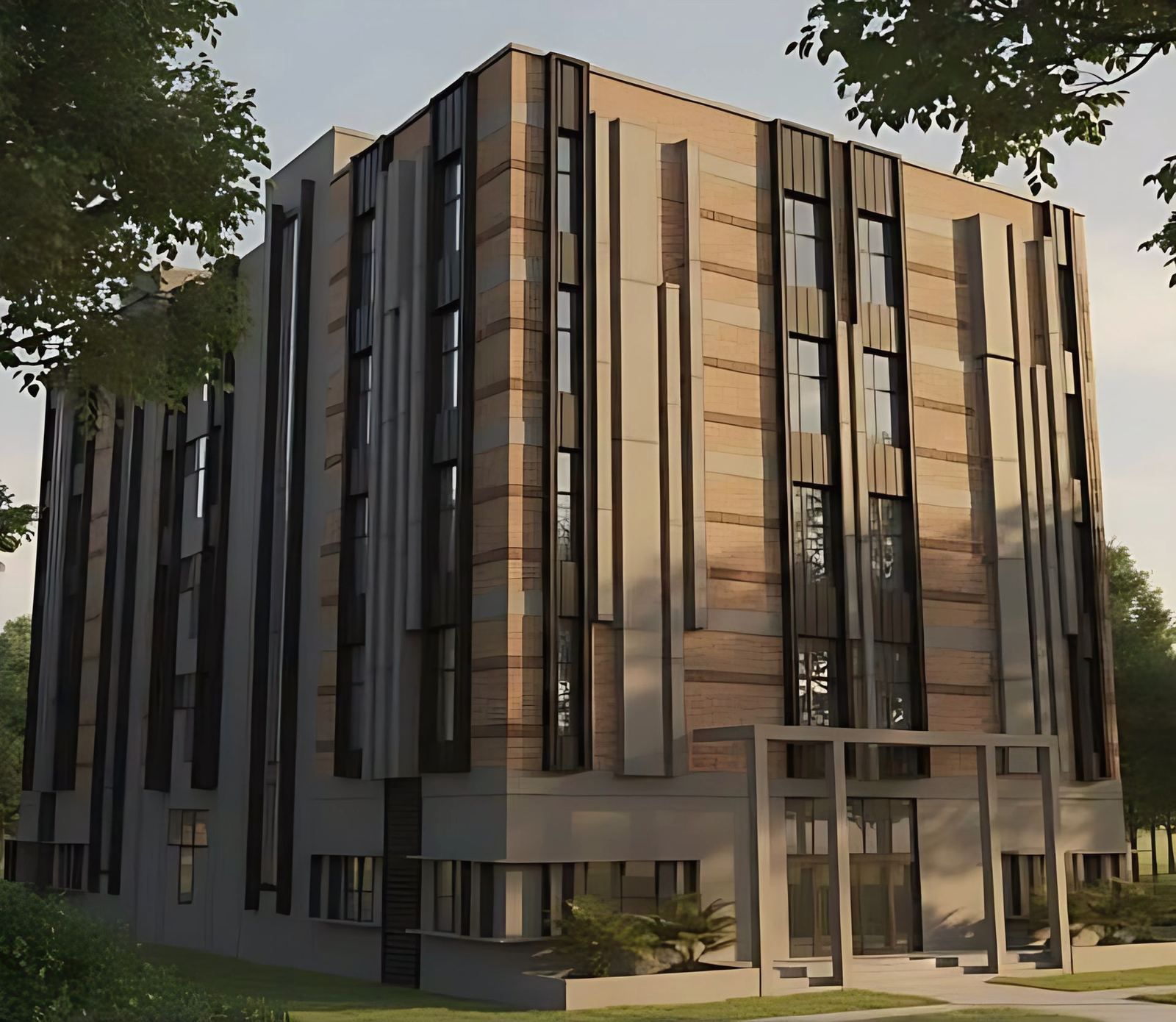
Exposed brick and jaali facades leak or stain when the brick absorbs too much water, the joints are loose or salts migrate to the face. Specify bricks to IS 1077 with low absorption and efflorescence ratings, protect the wall with eaves, a damp-proof course and where exposure is severe a cavity, and do not rely on a sealer alone.
Materials and climate, - Lime plaster for old and new buildings: when to use it and when it fails
Lime plaster hardens slowly by drying and recarbonation. IS 2394 asks for one coat for ordinary finish and two for high class finish, seven days of wet curing, and a coat never stronger than the one below. It suits old lime-and-brick masonry, and it fails under heavy rain, quick drying or strong cement.
Materials and climate, - Rainwater harvesting rules in Kolkata: what KMC and NKDA require
KMC Building Rules 2009, rule 144(1), says a rainwater harvesting system must form part of a new building and be shown in the plan, for direct use, recharge or both. The rules fix no plot threshold. Kolkata averages 1,713.5 mm of rain a year, so a 100 sq m concrete roof can yield about 1.2 lakh litres.
Materials and climate, - Rat-trap bond walls: how much they save and how to build one
Rat-trap bond lays bricks on edge to leave a cavity inside a 230 mm wall. BMTPC reports 20 to 35 per cent fewer bricks, 30 to 50 per cent less mortar and a wall cost 20 to 30 per cent lower. The wall is weaker than solid brick and BMTPC does not use it above two floors.
Materials and climate, - Termite proofing for new construction in West Bengal: IS 6313 explained
IS 6313 (Part 2) treats the soil with a 1 per cent chemical emulsion while the foundation is open: 5 litres per sq m on trench bottoms and plinth fill, 7.5 litres per sq m on backfill and the outer perimeter. The figures below are from the 2001 edition, which BIS has since revised, so ask the contractor which edition he follows.
Materials and climate, - Wall dampness in Kolkata: causes, seepage and how design prevents it
Damp walls in Kolkata come from several sources: rain through walls and terraces, plumbing leaks, poor drainage at the base of the wall and, less often than assumed, rising damp. Find the source before choosing a treatment. Fix drainage, ground level and waterproofing first, and the wall finish last.
Materials and climate,