NDMA and BMTPC advise a plinth at least 0.6 m above the flood level, stilts where floods are frequent, and burnt brick in cement mortar of 1:6 or richer for the lower walls. Assam’s flood plain zoning bill is still proposed, so the rule that binds a plot is the local building rule and the flood record.
How high should the plinth be?
The two national bodies agree on 0.6 m above the flood level, and local rules differ.
| Source | Plinth guidance |
|---|---|
| NDMA, Management of Floods, 2008 | 0.6 m above the drainage or flood submersion line |
| BMTPC, Improving Flood Resistance, 2010 | 0.6 m above the flood level under the mean annual flood, and at least 45 cm above ground |
| NIDM and UNDP, Bihar housing guide | Above the most common flood level in the area, and non-erodible |
| KMC Building Rules 2009, rule 105(1) | At least 60 cm above the crest of the road |
| West Bengal Municipal Building Rules 2007, rule 57 | 60 cm |
BMTPC adds that the plinth should be above the mean annual flood, preferably the high flood level. The Bihar guide says the plinth must be built of non-erodible material, which it lists as RCC, plain concrete or cement-mortar masonry. An NDMA guideline on temporary shelters uses a much lower figure, 150 mm above the highest expected flood, but that applies to shelters and not to houses.
The Assam rules for notified urban areas outside Guwahati, 2014, set a minimum level for the lowest floor and ask for it to be certified by the local authority, but the clause is hard to read in the copies found, so check the gazette text. Set the plinth at the start of the design, because raising it later is hard.
When should the house stand on stilts?
NDMA suggests stilts, meaning columns that lift the house, in zones that flood once in 25 years, and says buildings should preferably have two or more storeys, with the roof of a single-storey building above the 100-year flood level and reachable. BMTPC says stilts need strong circular columns whose foundations go below the deepest scour level. Ground storage and livestock use are acceptable in the dry season.
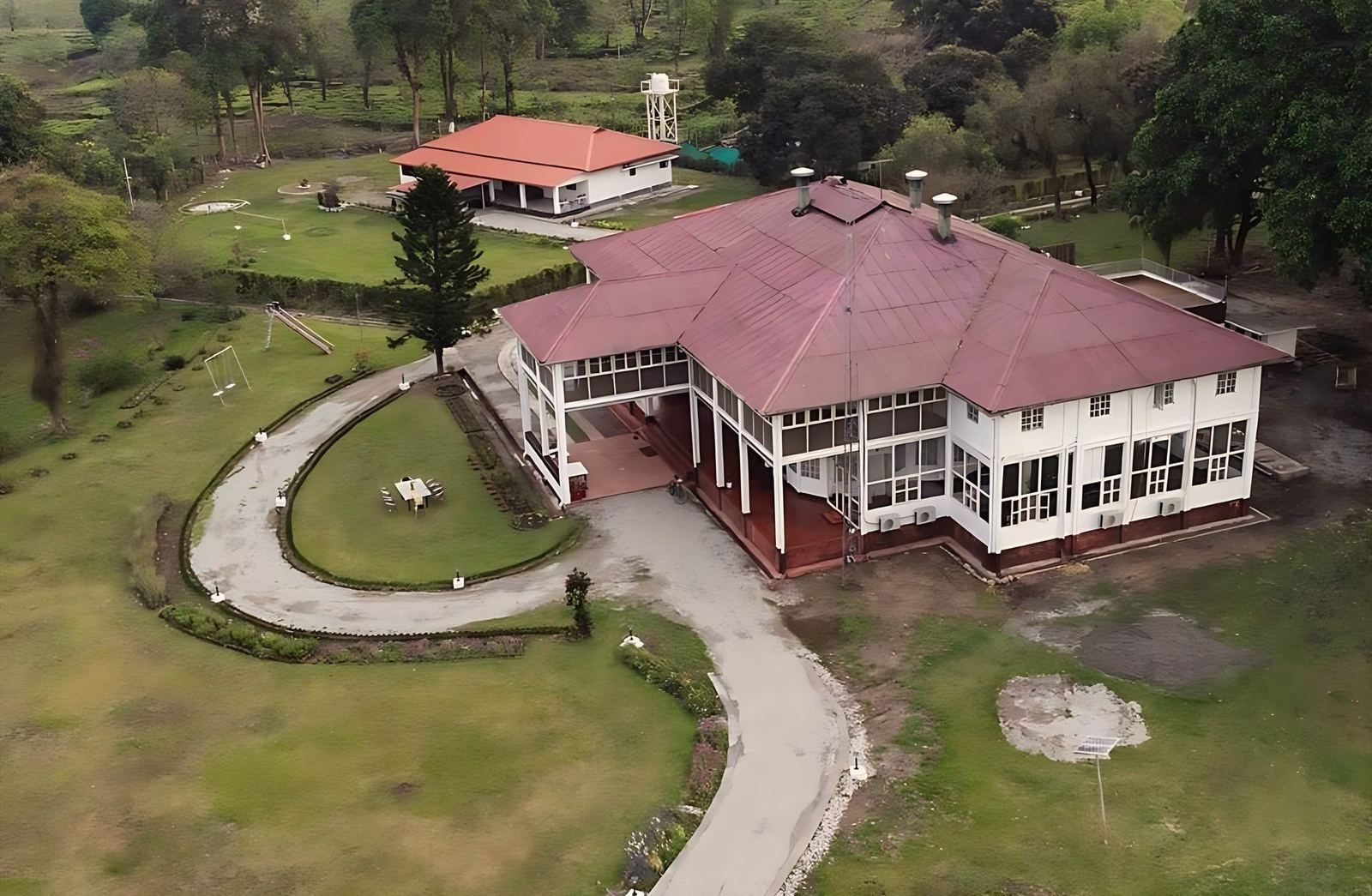
The Assam-type house, with its raised timber floor, is the regional form of the idea. The guide to Assam-type house design explains it.
Which walls and materials survive water?
BMTPC sorts walls by how they take submersion:
- Pucca walls of burnt bricks or stone in cement-sand mortar of 1:6 or richer hold up best.
- Semi-pucca walls survive only if the inundation lasts less than 24 hours.
- Mud walls and mud-mortar walls are highly vulnerable.
BMTPC says the lower wall, up to the inundation level plus the capillary rise, is the vulnerable part. The Bihar guide grades flooding from intensity I, under 0.9 m and under 24 hours, to V, over 2 m and over 72 hours, so a designer can state which grade the house must survive. The sources found do not compare burnt brick, RCC and AAC under submersion, so this post makes no claim about AAC. The guide to AAC, red brick and fly ash brick covers their general properties.
What about water supply and sanitation?
The water supply is exposed in a flood, so the layout of the plot matters. NDMA suggests raising public hand pumps and bore wells above flood level. For Assam’s notified urban areas outside Guwahati, the 2014 rules say:
- A sub-soil dispersion system must not be closer than 18 m from any drinking water source.
- A septic tank is at least 0.75 m wide and 1 m deep, holds at least 1 cubic metre, and has a length of 2 to 4 times its width.
- Effluent must not go to an open channel or drain without treatment.
The sources read do not give a text on raising electricity meters and sockets above flood level. Ask the architect and the electrician to place the meter, the panel and the sockets above the expected flood level, and to keep wiring that can be isolated by floor.
What do Assam and West Bengal rules say?
The rules differ by authority. In Kolkata, KMC Building Rules 2009 rule 105(1) asks for a plinth at least 60 cm above the crest of the road. In Assam’s notified urban areas outside Guwahati, the 2014 rules cover the plinth and septic tanks as above.

Assam has no flood-plain zoning law in force. NDMA’s 2008 report recorded that Assam had not enacted it, and a report of 5 November 2026 says a bill was reviewed by the Chief Minister and is still proposed. Treat the local building rule and the district flood record as the binding facts, and ask the local body for the highest recorded flood level at your plot.
The studio works in Assam at Bongaigaon, in the Udalguri district, at Jorhat, Guwahati and Dibrugarh. The pages for Budlapara and Hotel Nirvana record those projects, and neither page reports flood design, so this post draws no conclusion from them. The Guwahati and Assam page describes the regional work.
What should an owner decide first?
Before the sketch, collect four facts: the highest recorded flood level at the plot, the duration of past floods, the local rule on plinth levels, and the source of drinking water. From them the design follows:
- Set the plinth or stilt height from the flood record and the local rule, taking the higher.
- Choose the lower walls from the pucca group, and keep timber and mud above the flood line.
- Place the meter, panel and sockets above the flood line.
- Place the septic tank and soak pit well clear of any water source, at least the 18 m the Assam rules ask.
The studio’s architecture service and building plan approval service cover the design and the sanction. To discuss a plot, use the contact page.