The Ministry of Tourism classifies a homestay as Silver or Gold, with one to six rooms and the owner’s family living on site. West Bengal’s 2026 policy allows one to eight rooms but only in rural areas. Assam approved its own homestay rules in June 2026. A hotel follows a different route, starting with a fire NOC.
Design follows the category you choose, so decide it before the first sketch. This guide reads the three rule sets as they stood in November 2026. They change, so confirm the current text with the tourism department before you invest.
What is the difference between a homestay and a hotel?
A homestay is a small, owner-run accommodation where guests stay in a house the family also lives in. A hotel is a commercial building that is planned and approved as such. The rule sets treat them differently, and so does the building authority.
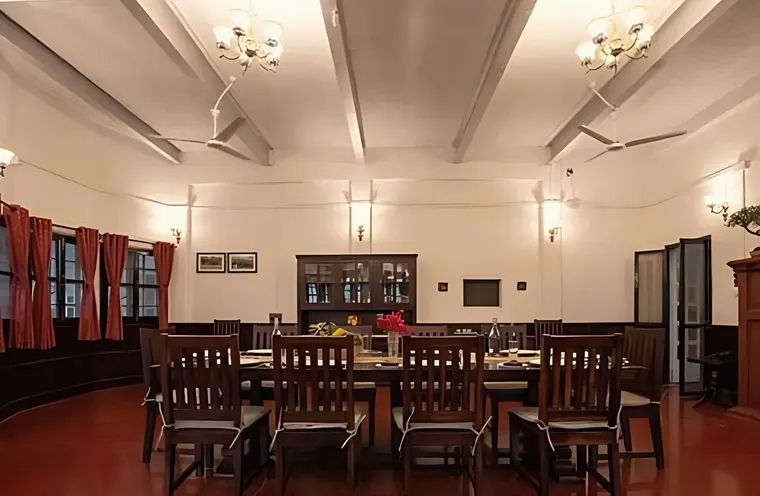
The Ministry’s guidelines draw the line on who is present: a Homestay classification goes only where the owner and family physically reside in the establishment, and a Bed and Breakfast classification covers an operator the owner appoints to live on site. West Bengal’s 2026 policy adds a limit of location and size, which the next sections cover. Anything bigger than the policy limits goes to the hotel route.
What do Silver and Gold mean under the Ministry of Tourism scheme?
Silver and Gold are the two classification grades under the Ministry’s voluntary Incredible India scheme. The Ministry of Tourism confirmed in a press release of 21 July 2025 that homestays are classified as Gold or Silver under its guidelines.
The Ministry’s guideline text sets the main numbers:
| Item | Silver | Gold |
|---|---|---|
| Rooms | 1 to 6 lettable rooms (12 beds) | 1 to 6 lettable rooms (12 beds) |
| Minimum room area, plains | 120 sq ft | 200 sq ft |
| Minimum room area, hills | 100 sq ft | 120 sq ft |
| Minimum bathroom area | 30 sq ft | 40 sq ft |
| Attached bathroom with each room | Mandatory | Mandatory |
| Parking | Desirable | Mandatory |
| Application fee | Rs 3,000 | Rs 5,000 |
| Validity | 2 years | 2 years |
Each room should be clean, airy and free of dampness, with an outside window or ventilation. The checklist asks for 24-hour hot and cold running water and a smoke-free, clean kitchen. A Regional Classification Committee inspects the property and scores the quality of the facilities, with preference for homes that offer an Indian experience through decor and cuisine.
How does the West Bengal Homestay Policy 2026 differ?
West Bengal’s policy covers rural homestays only. It defines a homestay as an accommodation in a rural area where the owner lets one room to a maximum of eight rooms, 16 beds, with toilet facilities for tourists. It defines a rural area as one outside the limits of a municipal corporation, municipality, Nagar Panchayat or similar urban body.
The numbers in the policy:
- minimum room area of 120 sq ft for a double room, 100 sq ft for a single room and 30 sq ft for a bathroom;
- registration fees of Rs 1,000 for Category A (Gold) and Rs 500 for Category B (Silver), paid to the District Magistrate;
- registration valid for 3 years, with an inspection committee visit before renewal;
- scrutiny of an online application within 7 working days, inspection within 15 days and registration within 30 days of a complete application;
- an incentive of Rs 1 lakh in two instalments of Rs 50,000, with another Rs 50,000 for women-owned homestays, tribal communities and Dharti Aba villages;
- no operation on leased, rented or sublet premises.
The policy requires a fire extinguisher in every homestay and gives preference to local materials and vernacular architecture. For urban areas it says that no fresh homestay registration is allowed, and that new host-led lodgings in towns will register under a West Bengal Bed and Breakfast Policy 2026 that the document says will be introduced shortly. The department launched an online portal for homestay registration on 5 November 2026, according to a UNI report.
For a plot in Kolkata, this means the homestay policy does not apply. A family house in a town that takes guests would wait for the Bed and Breakfast policy or follow the Ministry’s scheme.
What are Assam’s homestay rules?
Assam’s cabinet approved new homestay registration rules on 23 June 2026. Hindusthan Samachar reports that owners will register through an online portal and renew every three years. The reports differ on the room limit. India Today NE says the cabinet made it mandatory for establishments to have at least eight rooms to qualify. Hindusthan Samachar says the cabinet raised the maximum number of rooms in a homestay from six to eight.
Both accounts cannot be right, and neither reproduces the rules themselves. If you plan a stay in Assam, read the notified rules before you fix the room count. The tea-estate case in the guide to tea garden bungalow conversion covers how land rules interact with tourism use.
What does a hotel need that a homestay does not?
A hotel is a non-residential building, so it needs a fire NOC at any height. The West Bengal Urban Development and Municipal Affairs Department lists the fire safety recommendation as mandatory for all buildings other than residential, irrespective of height. A hotel also carries the National Building Code’s life safety provisions for its guests, who sleep in unfamiliar surroundings.
The risk is not theoretical. Business Today reported on 9 September 2026 that a fire at a guest house on Mirza Ghalib Street in Kolkata on 19 August killed nine people, and that 919 hotels and guest houses received temporary closure notices after joint inspections. Of 960 establishments inspected up to that report, only 41 were found compliant. Closed establishments must upgrade their fire safety and obtain a Renewal of Fire Safety Certificate before applying afresh for a licence.
For the exits, travel distance and fire clearance steps, read the banquet hall guide, which uses the same NBC 2016 Part 4 rules.
How does a hotel plan work on a small commercial site?
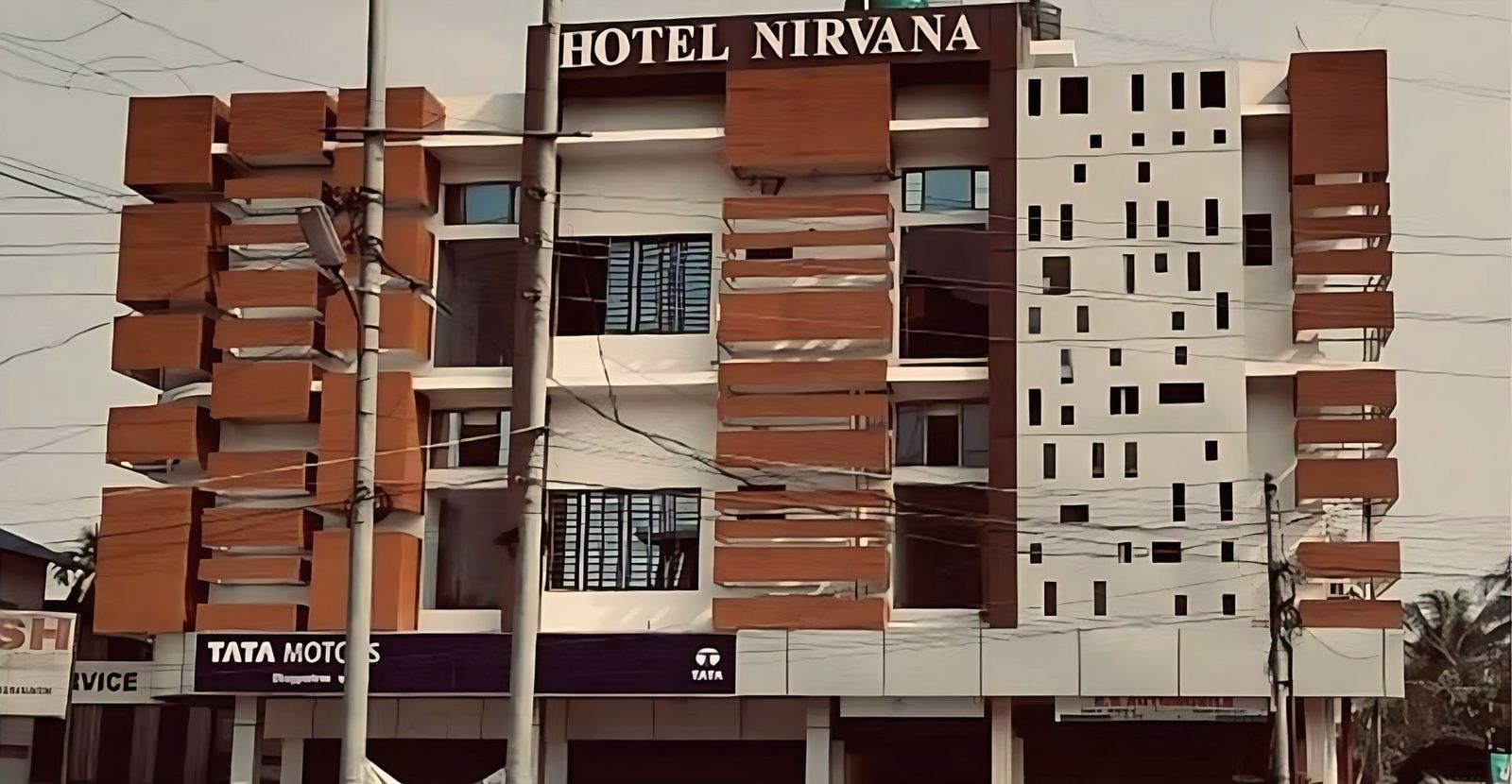
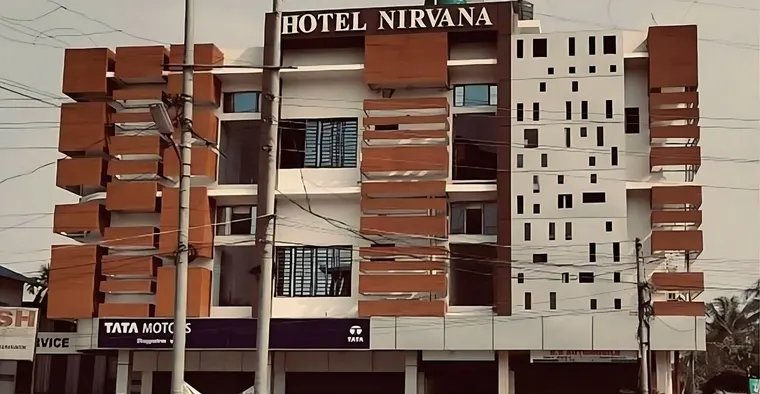
A hotel plan starts with the room module, the lift and stair cores, and the street-level uses. The studio’s Hotel Nirvana in Bongaigaon, Assam, stands on a site of 16,609 sq ft with 32,561 sq ft of built-up area and a row of shops at street level.
On the street front, the rooms read as terracotta-coloured boxes stacked against a white frame. Beside them a wall pierced with scattered square windows lets light into the rooms and corridors behind while keeping the front calm. The hotel is built. See Hotel Nirvana, Bongaigaon.
How do you convert a heritage house into a stay?
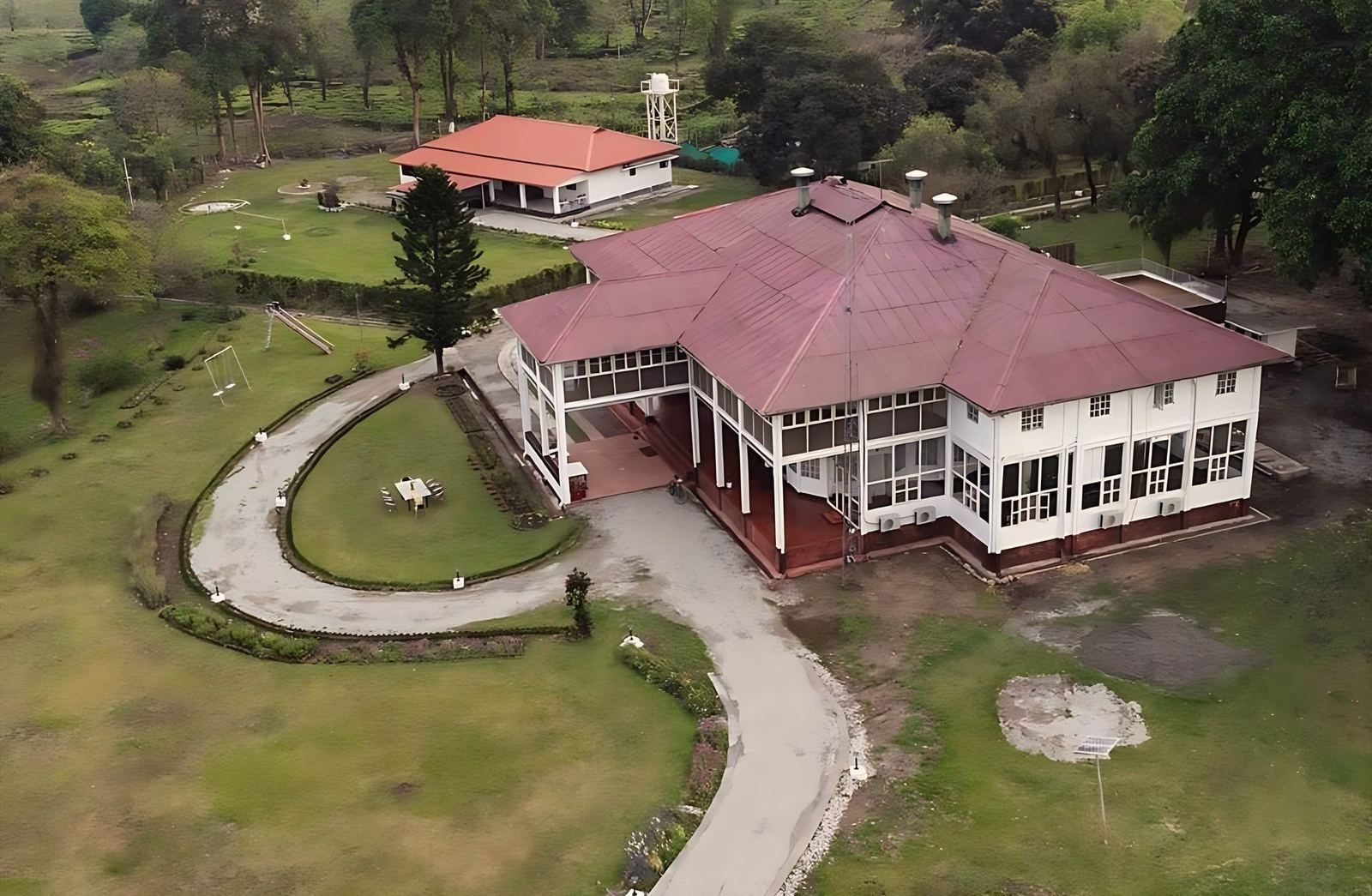
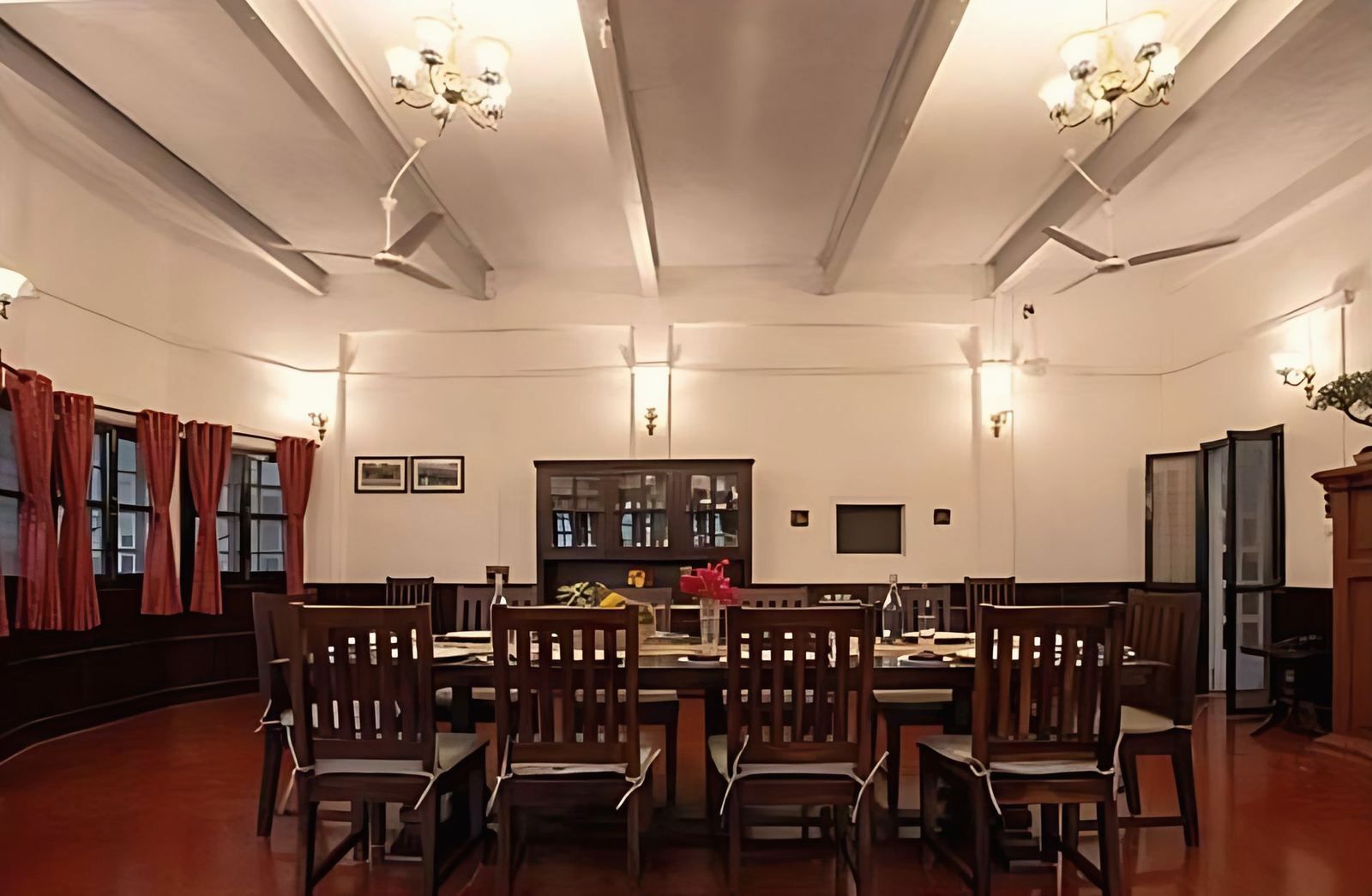
You add what a paying guest expects without removing what made the house worth the journey. The studio’s work at Budlapara, in Udalguri district, Assam, shows the method. The bungalow was 96 years old when the Asian Tea Group asked the studio to open it to guests. The colonial character, the proportions, the glazed verandahs and the red oxide floors were kept, and bathrooms, lighting and furnishings were fitted within them. The curving drive and the lawns remain the approach.
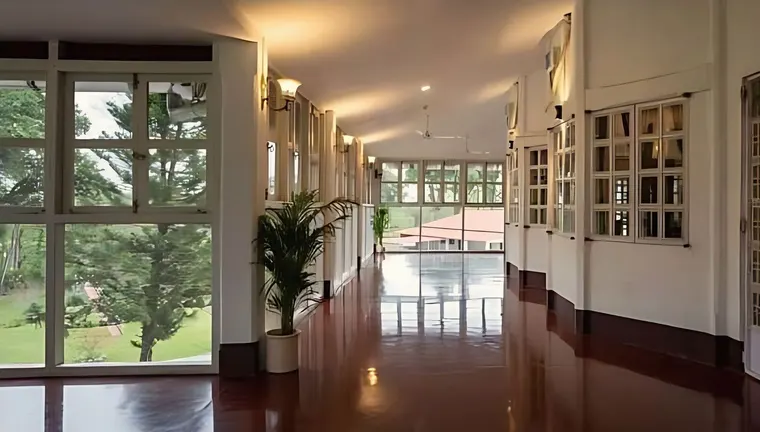
The house now works as a heritage homestay across 14,000 sq ft on two floors. The Ministry of Tourism, Government of India, gave the retreat a Gold Star Recognition under the Incredible India initiative. The studio’s page describes the work as architectural conservation and adaptive reuse. See Budlapara Tea Retreat and the guide to heritage building restoration in Kolkata.
What should an owner decide before briefing an architect?
Decide the category, the room count and who will live on site. Those three answers fix the rule set, the approvals and the room module. Then bring the plot or the house, the target guest, and a budget range.
The studio works across architecture, interior design and heritage conservation, and a first conversation can start on the contact page.