In Kolkata Municipal Corporation limits, the permission to occupy a new building is called the Completion Certificate. Other West Bengal municipalities and NKDA call it the Occupancy Certificate. Each needs a notice within one month of completion, an inspection within 15 days, and a structural stability certificate signed by the engineer.
This post uses the KMC Building Rules, 2009, the West Bengal Municipal (Building) Rules, 2007 and the New Town Kolkata (Building) Rules, 2009, in the text read on 13 November 2026. Later amendments exist for some of them. Check the current form and circular with the authority before you file, and take advice from your architect or a lawyer on your own case.
What is the difference between a completion and an occupancy certificate?
The two words name the same permission in different places. A completion certificate says that the building has been built as sanctioned. An occupancy certificate says that it can be occupied. In practice:
| Authority | Name used | Governing text |
|---|---|---|
| Kolkata Municipal Corporation | Completion Certificate | KMC Act, 1980, section 403; KMC Building Rules, 2009, rules 27 to 33 |
| Other West Bengal municipalities | Occupancy Certificate | WB Municipal Act, 1993, section 212; WB Municipal (Building) Rules, 2007, rules 33 to 37 |
| NKDA, New Town | Occupancy Certificate | New Town Kolkata (Building) Rules, 2009, rules 12, 14 and 15 |
The 2007 rules apply to municipalities and notified areas other than KMC and NKDA, which have their own. The Real Estate (Regulation and Development) Act, 2016 defines both terms separately. Its section 2(q) defines the completion certificate as certifying that the project has been developed according to the sanctioned plan, and section 2(zf) defines the occupancy certificate as permitting occupation of a building that has water, sanitation and electricity. A single private house falls outside RERA, which exempts land under 500 sq m or not more than 8 apartments under section 3(2)(a).
How does the KMC Completion Certificate work?
Within one month of completion, the owner sends KMC a notice of completion. Section 403(1) of the KMC Act, 1980 requires that notice, and section 403(2) says no person shall occupy or permit the building to be occupied until the Commissioner grants permission. The rules set the steps:
- Notice. Rule 27(1): the notice in Schedule XII goes in within one month, countersigned by the architect or LBS and the structural engineer.
- Completion plans. Rule 27(2): three sets marked “Completion Plans”, with all revisions, signed by the applicant, the architect or LBS and the structural engineer.
- Certificates. Rule 27(3): a structural stability certificate and, where applicable, certificates for drainage and water supply, fire safety, electricity supply and lifts.
- Inspection. Rule 28(1): the Commissioner inspects within 15 days of receiving the notice.
- Certificate. Rule 28(2): within 10 days of the inspection the Completion Certificate in Schedule XIII is issued if the building is as per the completion plan.
- Delay. Rule 31: if there is no certificate or refusal within 30 days, the applicant can represent to the Mayor, who decides within 30 days.
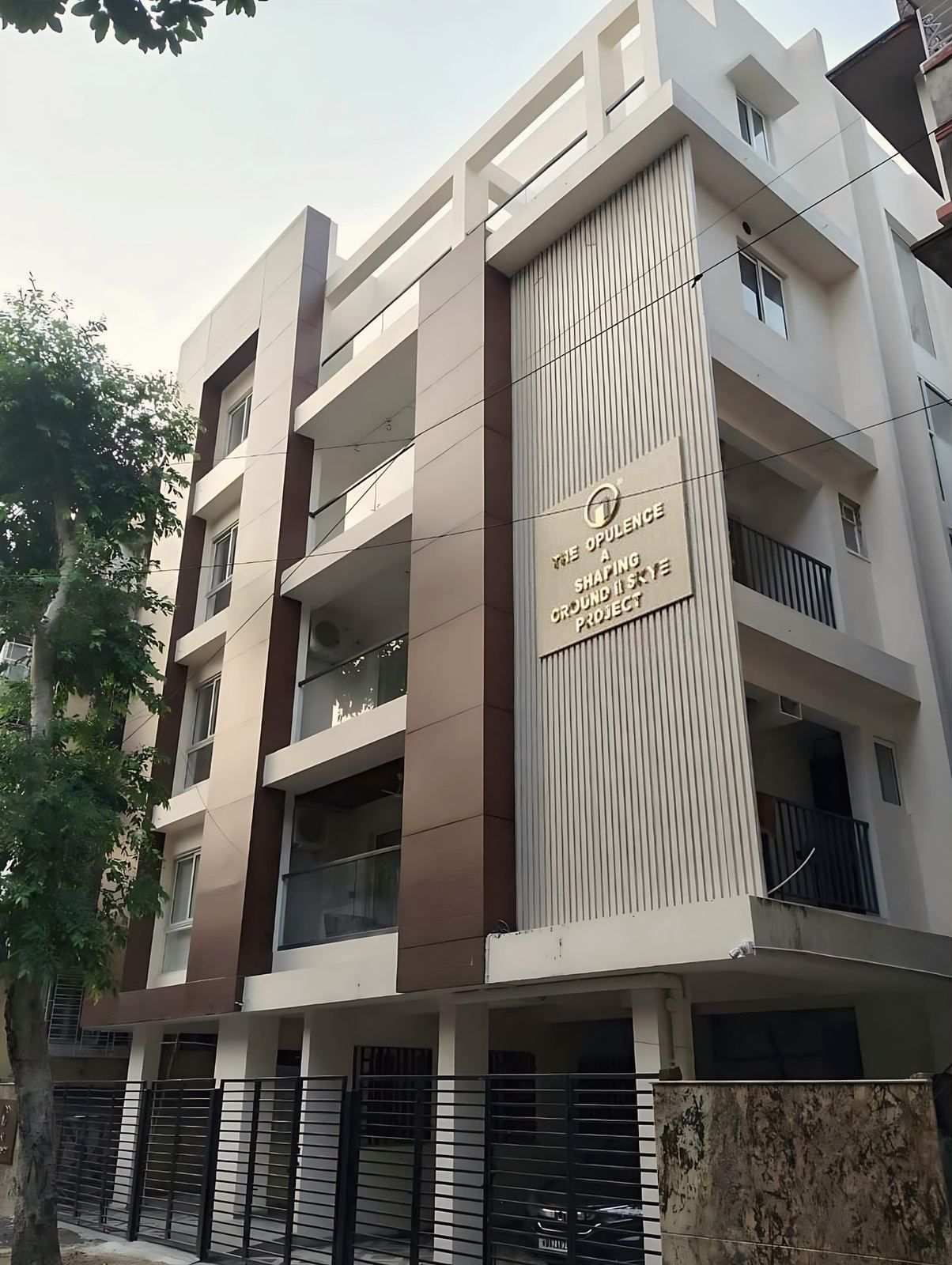
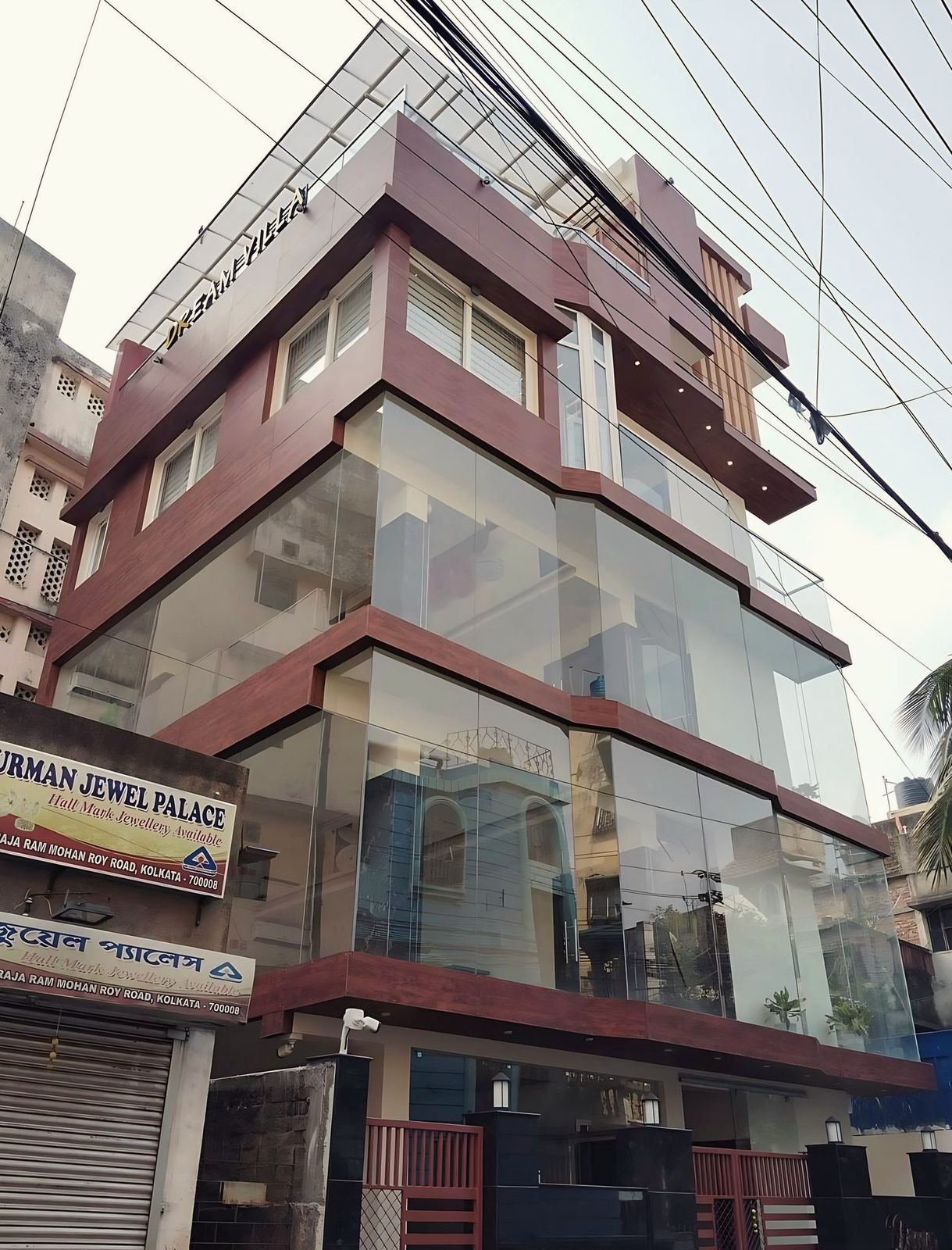
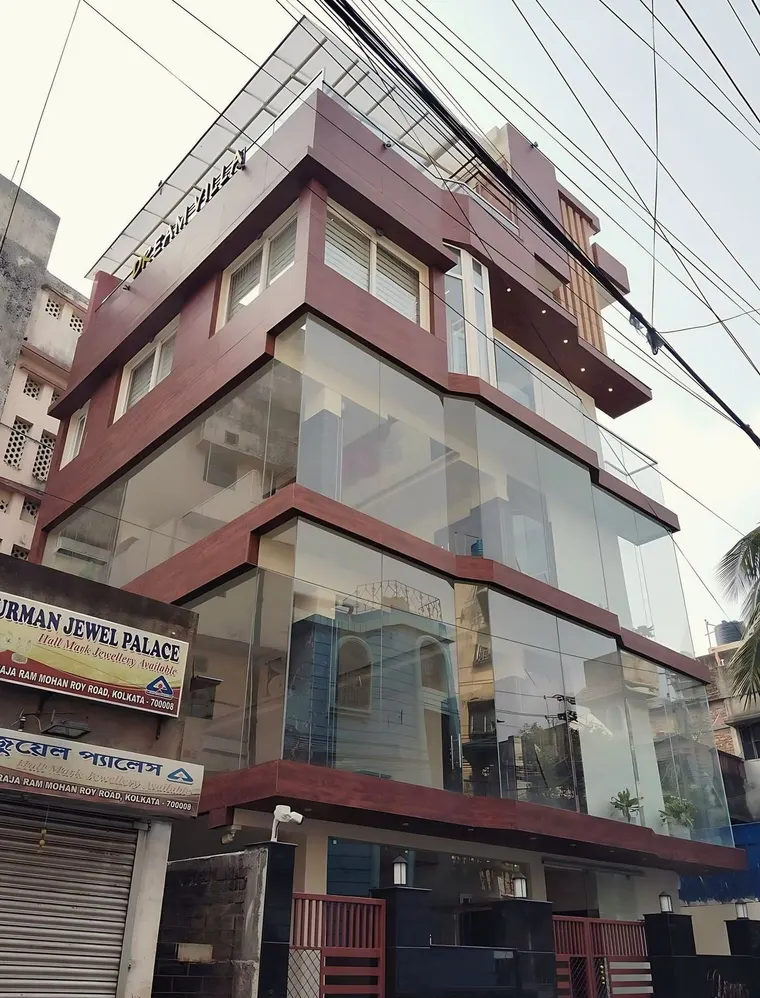
Rule 29 allows a partial completion certificate and rule 30 a block-wise one. Both need an indemnity bond and an undertaking that no one occupies the uncertified part. Rule 33 says further work after the certificate needs a fresh notice. Dream Villa at Muchipara and The Opulence at New Alipore are completed Kolkata buildings of the kind this procedure applies to, and the post on KMC plan sanction covers the stage before it.
How does the occupancy certificate work in other West Bengal municipalities?
The pattern is the same, with different timings. Section 212 of the WB Municipal Act, 1993 requires a notice of completion within one month and bars occupation until permission is given. The 2007 rules set the steps:
- Notice. Rule 33: notice in Form G within one month, with a completion plan if there are deviations. A residential or educational building outside Salt Lake, not exceeding 8.0 m in height on a plot of 200 sq m, is exempt from the completion plan, but the owner must still intimate completion in writing.
- Inspection. Rule 34(1): within 15 days of the notice.
- Certificate. Rule 34(2): the Occupancy Certificate in Form H within 15 days of the inspection. Refusal reasons come in writing within 30 days, under rule 34(5).
- Delay. Rule 35: if there is no certificate or refusal within 30 days, the applicant can represent to the Chairman, who decides within 30 days. The Act says that failing a decision the permission is deemed to be granted.
- Further work. Rule 37: more work after the certificate needs a fresh notice.
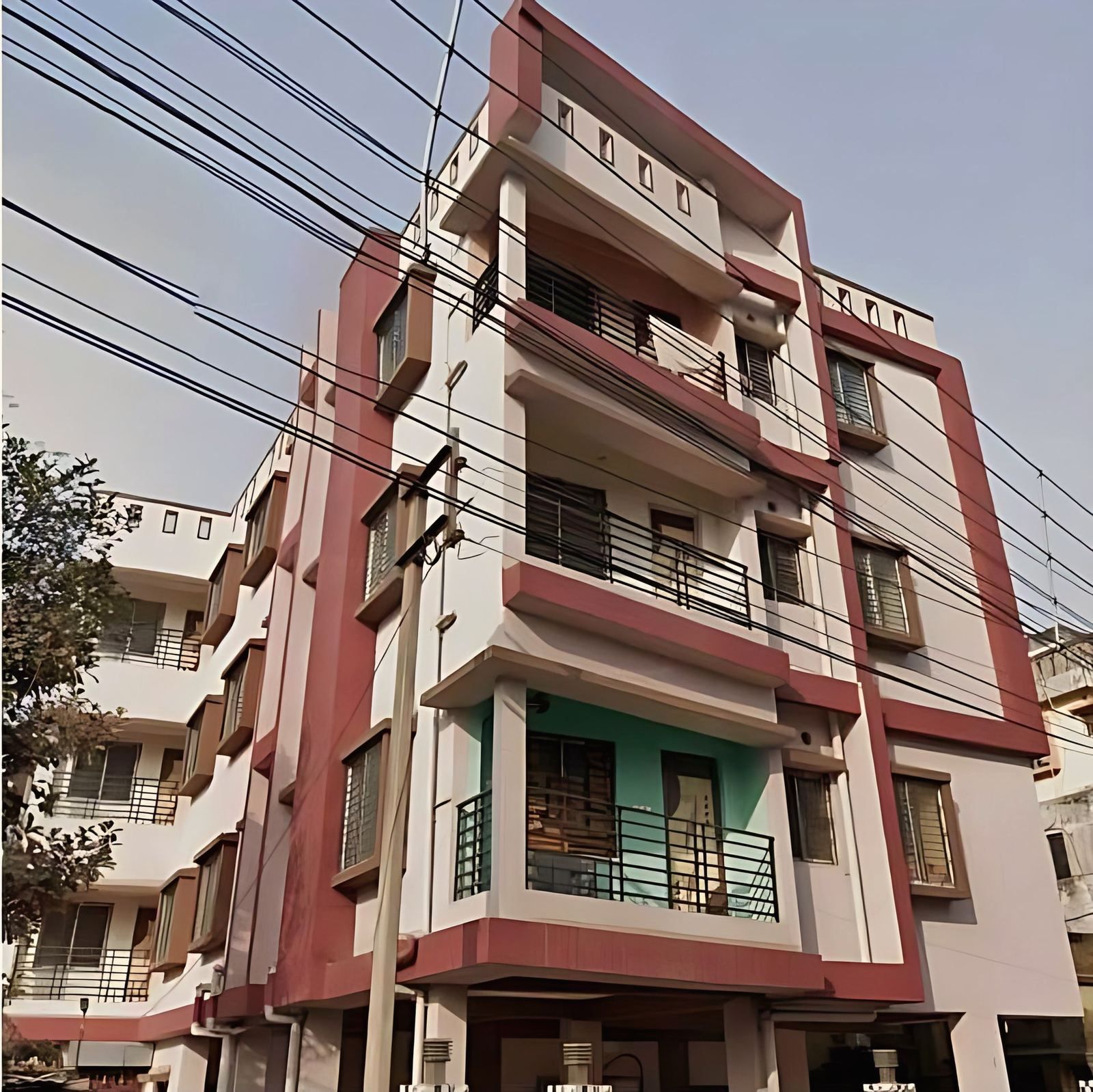
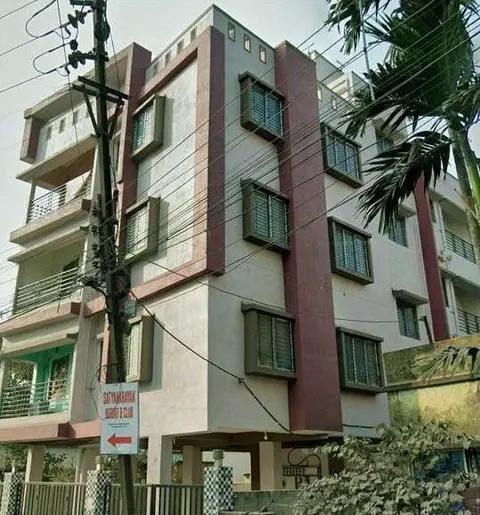
Rule 34(4) allows a partial occupancy certificate on an indemnity bond. Rule 17 makes the structural engineer certify that the building is safe for occupation, and says no completion certificate is issued unless the structural engineer submits copies of the test reports. A notification of 4 December 2023 on minor deviations tells municipalities to issue the certificate subject to the engineer’s certification that any deviation is within the minor limits. The studio’s apartments at Sonarpur are in the Rajpur Sonarpur municipal area, and the post on building plan approval in West Bengal municipalities and panchayats explains the earlier steps.
How does the NKDA occupancy certificate work?
NKDA follows the New Town Kolkata (Building) Rules, 2009. Rule 12(4) asks for a completion notice in Schedule VII within one month of completion, countersigned by the architect or engineer, with three sets of completion-plan drawings and a structural stability certificate. Rule 14(1) says the Sanctioning Authority inspects within 15 days of receiving the notice and issues the certificate in Schedule VIII within one month of the inspection. Refusals must give grounds in writing within one month. Rule 15 covers partial certificates.
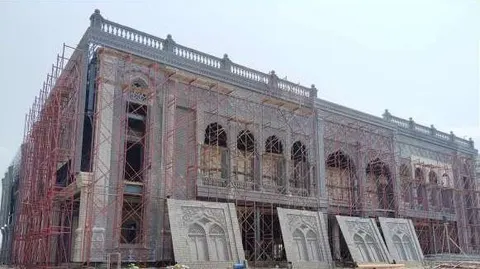
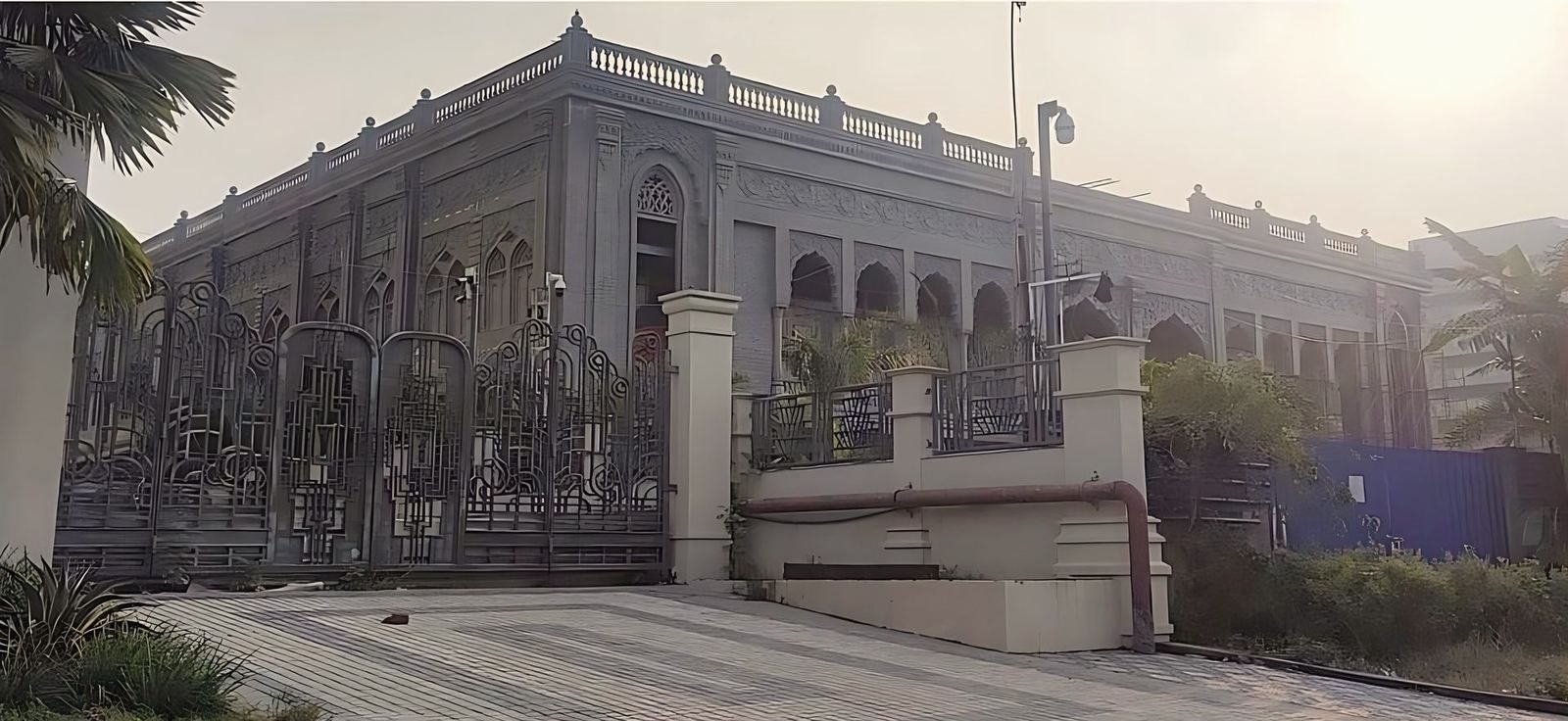
NKDA publishes a checklist of documents for bulk and small projects. For a small building up to G+4 it lists the Schedule VII notice, the completion plan and structural drawings, a structural stability certificate on the engineer’s letterhead and a plumbing certificate with a copy of the licence. For larger projects it adds the fire safety certificate where applicable, an electricity certificate, a lift certificate, approved service drawings and a FAR and car-parking statement. The checklist is undated, so download the current copy. The studio’s banquet hall at New Town is under construction, and the post on NKDA building plan approval covers the sanction.
What documents does the certificate need?
The core set is the same everywhere, and larger buildings add to it.
| Document | Where the rules ask for it | When needed |
|---|---|---|
| Notice of completion | KMC rule 27(1); 2007 rule 33; NKDA rule 12(4) | Always |
| Completion plans | KMC rule 27(2); 2007 rule 33; NKDA rule 12(4) | KMC and NKDA always; municipalities where there are deviations |
| Structural stability certificate | KMC rule 27(3); 2007 rule 17 and the note to rule 33; NKDA rule 12(4) | Always |
| Drainage and water supply certificate | KMC rule 27(3); note to 2007 rule 33 | More than three residential units, and all non-residential |
| Fire safety certificate | KMC rule 27(3), under the WB Fire Services Act, 1950; note to 2007 rule 33 | Where applicable |
| Electricity supply certificate | KMC rule 27(3); note to 2007 rule 33 | Where applicable |
| Lift certificate | KMC rule 27(3); note to 2007 rule 33 | Where a lift is fitted |
Why does the certificate matter for loans, sale and services?
It matters because other parties ask for it. The KMC rules (rule 28(6)) and the 2007 rules (rule 34(7)) bar a new connection to the municipal water main and drains without the certificate, with partial and block-wise exceptions. KMC rule 36 sends the approved completion plans to the officer who levies property tax within seven days of the certificate.
On loans and utilities, The Hitavada reported on 3 January 2025 that the Supreme Court, in Rajendra Kumar Barjatya v U.P. Avas Evam Vikas Parishad (17 December 2024), directed that service connections should follow only after the completion and occupation certificate, and that banks should sanction loans against a building only after verifying the completion certificate. That is a national direction reported by a newspaper, not a West Bengal rule, and the order’s text should be read in full. This post does not state a registration rule for sale deeds, because no official West Bengal page confirming one was found.
What happens if you occupy without the certificate?
The law bars it, and the authority can act. Section 412(1) of the KMC Act lets the Commissioner order a building occupied in contravention of section 403 to be vacated, and section 412(2) allows the police to remove occupants. For municipalities, the penalty schedule of the 1993 Act lists a fine for occupying in breach of section 212(2) of up to ₹500, with a daily fine of ₹50. Penalties are in the schedule as enacted, so ask the municipality for the current figure.
What to do next
Ask your architect to start the completion file while the building is still being finished, because the stability and service certificates take time to collect. The studio’s building plan approval page describes what it prepares for the authority, and the contact page is the place to send a building’s sanction details.