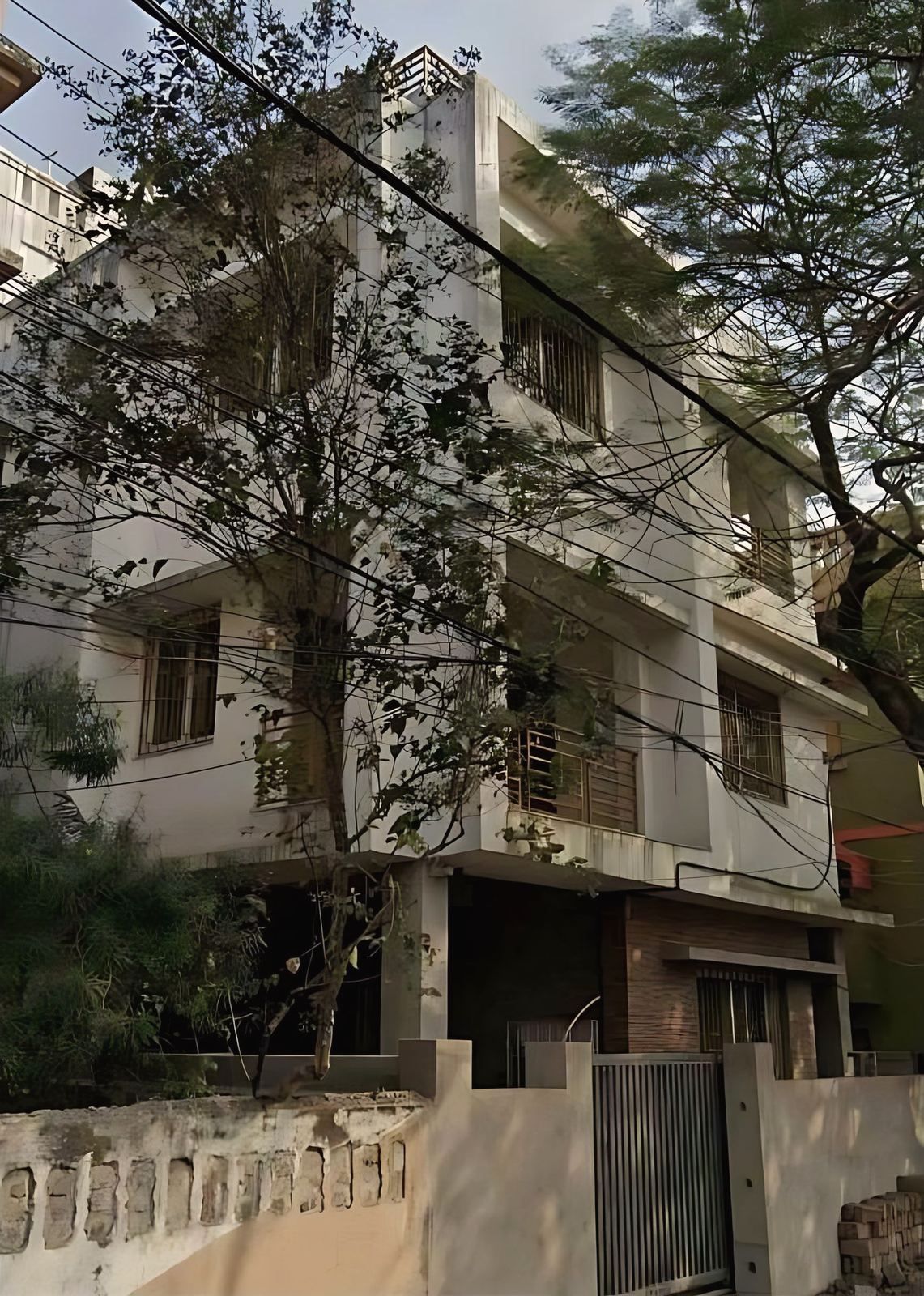
An NRI or OCI may buy non-agricultural property in India under RBI’s Master Direction, and can be represented by an attorney under a power of attorney executed before a notary, magistrate or Indian consul and stamped in West Bengal. Building authorities accept the owner’s authorised representative as applicant.
This post is general information, read on 13 November 2026, and it is not legal or tax advice. Property, exchange-control, stamp and tax rules for non-residents change, so confirm each step with your bank, a lawyer and a chartered accountant. Treat it as a list of questions to put to any architect.
Can an NRI or OCI buy land and build a house in Kolkata?
An NRI or OCI can buy any immovable property in India other than agricultural land, plantation property or a farm house. That is para 3.1.1 of RBI’s Master Direction on Acquisition and Transfer of Immovable Property under FEMA, 1999 (updated 1 September 2022). The same Direction allows gifts and inheritance, and allows an NRI or OCI to transfer property to a resident. A non-NRI foreign spouse may acquire one property jointly if the marriage is registered and has lasted two continuous years.
Three practical points follow:
- The plot type matters. An agricultural plot cannot be acquired by an NRI or OCI under this Direction, and conversion of land use is a separate West Bengal land matter.
- Payment channels. Para 3.3 says payment is made out of funds received in India through banking channels by inward remittance, or by debit to an NRE, FCNR(B) or NRO account. Traveller’s cheques and foreign currency notes are not accepted.
- Construction itself. The RBI text read for this post covers buying, gifting, inheriting and selling. It does not address spending on construction on land already owned, so ask your authorised dealer bank which accounts to use and how later repatriation works.
On sale, RBI’s Direction (para 8.2) lets an NRI or OCI repatriate sale proceeds for non-agricultural property if the property was acquired under the foreign exchange rules and paid for through banking channels from foreign exchange, FCNR(B) or NRE funds. For residential property it is limited to two such properties, and RBI’s FAQ gives a limit of USD 1 million per financial year. Keep a clean record of the funding trail from the first payment.
How does a power of attorney work for a remote owner?
A power of attorney lets someone in India act in the owner’s name. Section 2 of the Powers of Attorney Act, 1882 says the attorney may execute instruments in their own name and signature by the owner’s authority, and the act is as effectual as if the owner had done it.
The steps for an owner abroad are usually:
- Draft the power with a lawyer in India. State the powers narrowly: filing and signing building plan applications, receiving notices, paying fees, signing contracts up to a stated value, and dealing with the architect and contractor. A building power is a different thing from a power to sell.
- Sign it abroad before the right official. Section 33(1)(c) of the Registration Act, 1908 recognises a power for a principal who does not live in India if it is executed before and authenticated by a notary public, a court, judge, magistrate, Indian consul or vice-consul, or a representative of the Central Government.
- Authenticate it. The Ministry of External Affairs says India has been a member of the Hague Apostille Convention since 2005, and an apostilled document from a member country should be treated as legalised in India. A Kerala High Court decision, reported by IndiaLaw LLP on 7 August 2025, held that a power notarised by a foreign notary gets the presumption of due execution only if the country is a reciprocating country under the Notaries Act, 1952, and otherwise should be authenticated before an Indian consul or vice-consul. Consular authentication avoids that argument.
- Stamp it in West Bengal. The Kolkata Collectorate’s Stamp Section lists adjudication of apostilled powers of attorney for non-resident Indians under section 18 of the Indian Stamp Act, 1899, by an order dated 27 February 2024. Ask the Collectorate for the current amount and timing, because duty schedules are revised and a figure printed here could be out of date.
Can an authorised representative file the building plan?
Yes, in the rules read for this post. Rule 2(8) of the West Bengal Municipal (Building) Rules, 2007 defines the applicant as the owner and includes the authorised representative of the owner. The KMC Building Rules, 2009 (rule 2(6)) say the applicant includes the owner for the time being, the owner’s agents and successors in interest, and the New Town Kolkata (Building) Rules, 2009 (rule 2(1)(c)) include the authorised representative.
So an attorney in India can file and sign the sanction papers, with the architect or Licensed Building Surveyor named in the application. The posts on KMC plan sanction and NKDA approval set out the process, and the building plan approval service page describes what the studio prepares for the authority.
Who should carry the professional duties?
Name a registered architect, a structural engineer and a contractor in writing, with each person’s duty. The 2007 rules make the architect or LBS responsible for work done on site against the sanction. Under rule 16 they must give the authority facilities to inspect work in progress, must not allow deviation from the sanctioned plan, and are held responsible for work executed in contravention. Rule 17 makes the structural engineer responsible for quality control and tests, and for certifying before completion that the structure was built as submitted and is safe for occupation. These rules apply outside KMC, which has its own, and they do not require an owner to appoint a separate supervisor. The post on architect vs civil engineer vs contractor explains who does what.
How can you supervise a build from abroad?
You supervise by documents, dated photographs and a person on the ground. A working routine:
- Fix a visit schedule, with the architect or supervisor, tied to stages such as plinth, each slab and plaster.
- Ask for a written stage report with dated photographs and the drawing number each photograph refers to.
- Ask for test reports (cube tests for concrete, for example) as the work goes, not at the end.
- Keep one shared folder with sanctioned drawings, approved changes, bills and payments.
- Hold a video call at each stage before the next payment is released.
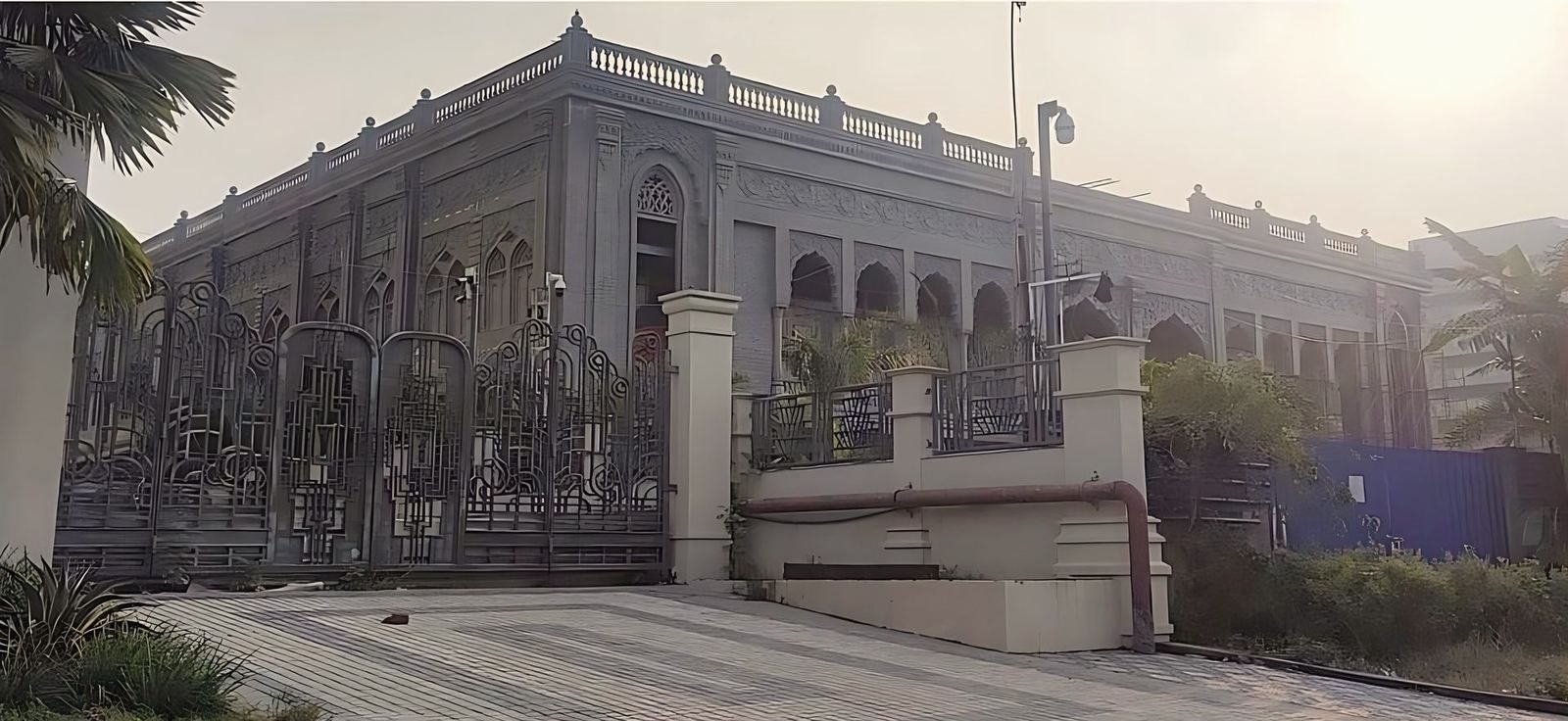
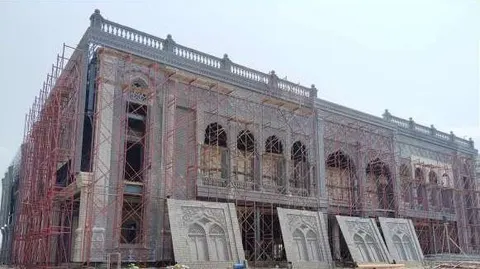
The stage checks themselves are in the site supervision checklist, and the post on project management consultants explains when a separate manager is worth appointing. The studio’s site supervision and project management page describes that service. For a client at a distance, the studio’s New Town banquet hall, commissioned by an Odisha-based group, is a project documented by site photographs.
How should payments be staged?
Tie each payment to measured work against the sanctioned drawings and a written contract. A stage plan has five parts:
- An advance, held small, against mobilisation.
- Stage payments on completed and checked work: foundation, each slab, masonry, plaster, services, finishes.
- A retention held back until after handover, as the contract states.
- Variations approved in writing, with cost and time, before the work is done.
- Final payment against the completion certificate and handover papers.
The choice of contract form, item rate, lump sum or labour only, changes who carries risk, and the post on turnkey versus item-rate contracts compares them. The post on BOQ and contractor selection shows how to compare quotes line by line. Pay through banking channels and keep the NRO or NRE trail, as RBI’s para 3.3 requires for property payments. For tax on payments made by a non-resident owner, ask a chartered accountant, as no primary text on it was read for this post.
What must be in place before you move in?
A completion or occupancy certificate must be issued before anyone occupies the building. KMC Act section 403(2) and the West Bengal Municipal Act, 1993, section 212(2) bar occupation until permission is granted, and water and drain connections follow the certificate. The post on completion and occupancy certificates sets out the steps, and your attorney can file the notice.
What to do next
List what you need done from abroad, then ask each architect how they will report, who holds the power of attorney, and how payments are staged. The studio’s architecture service page describes its scope, and the contact page is the place to send plot details.