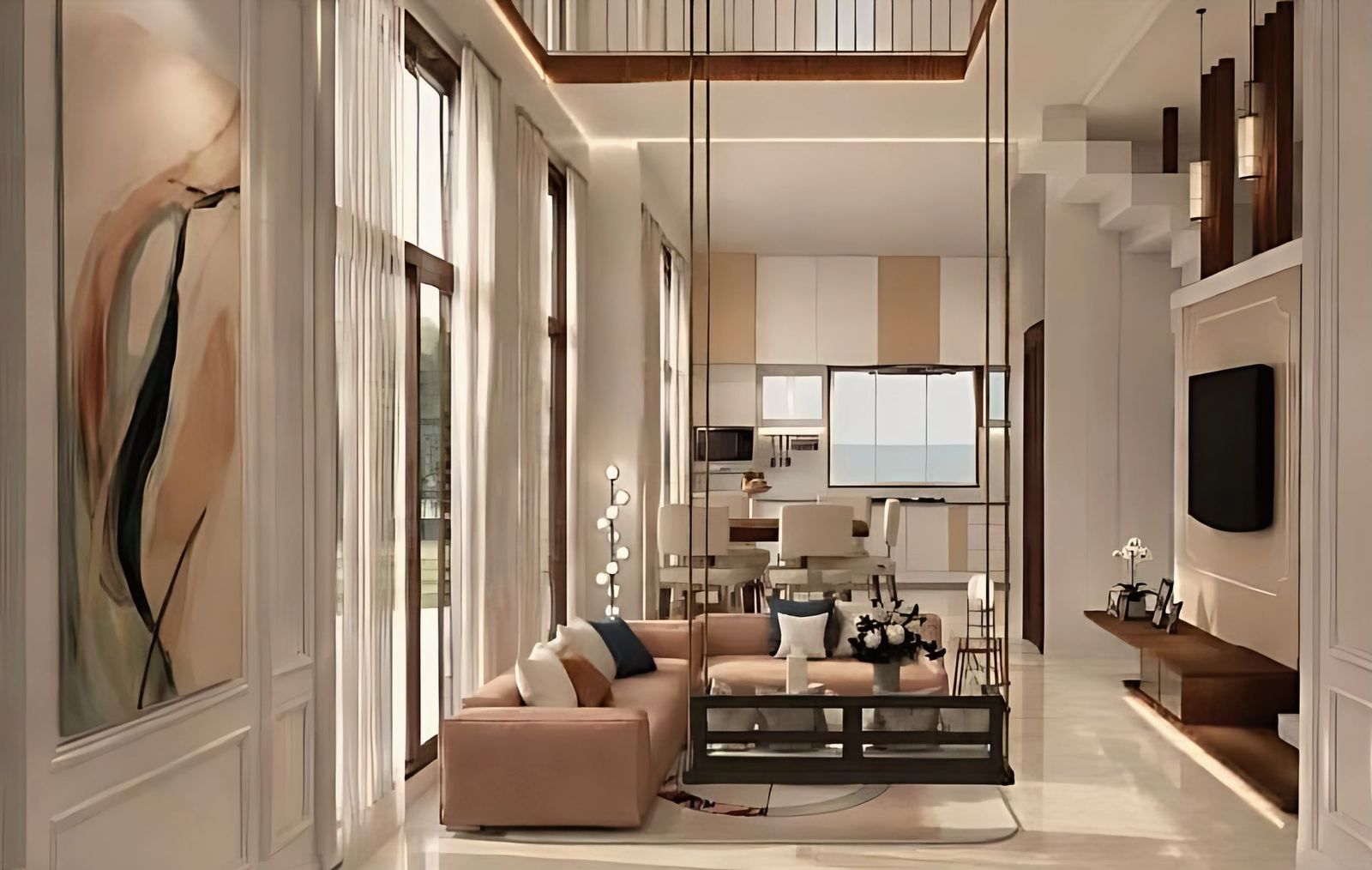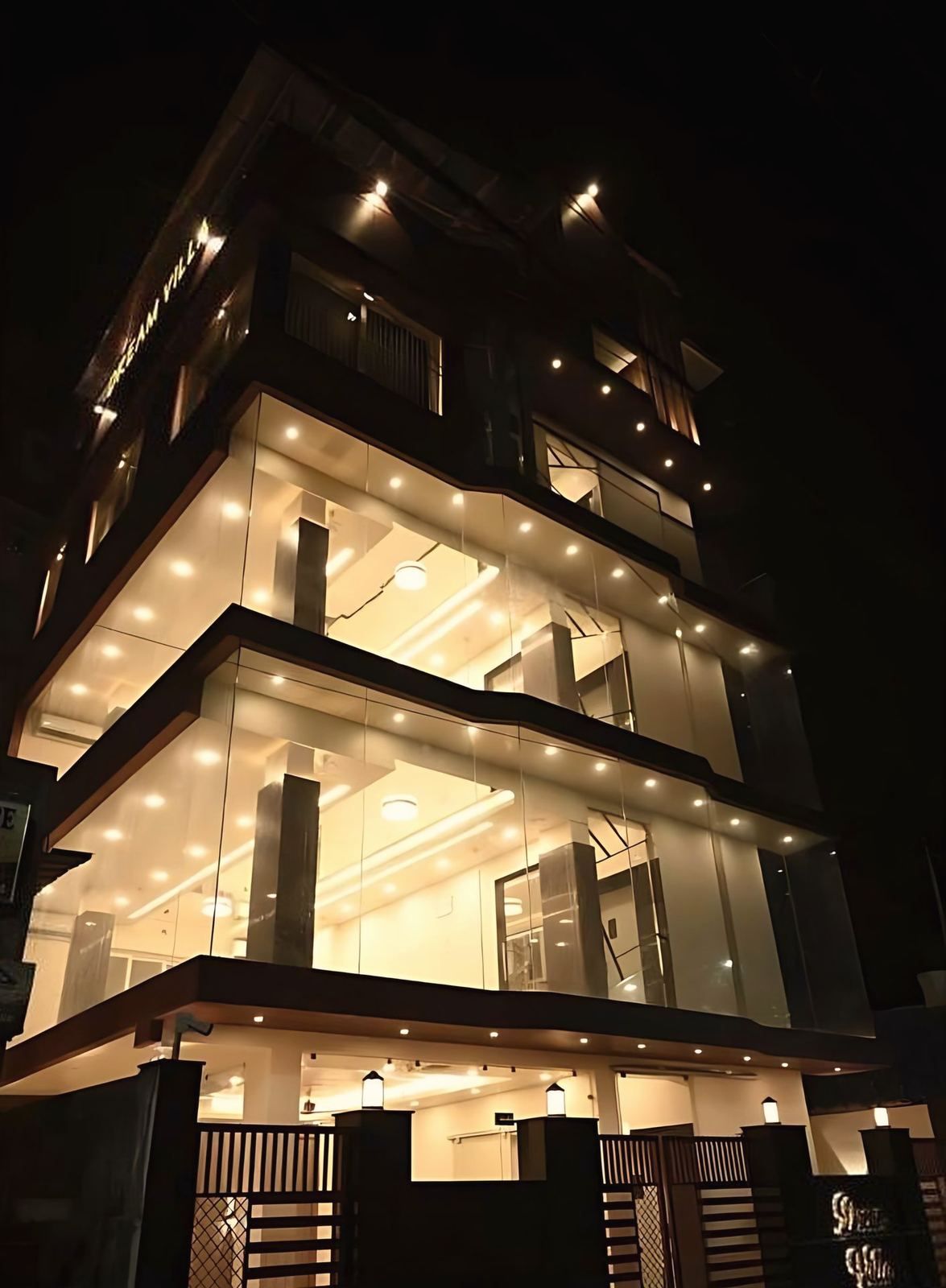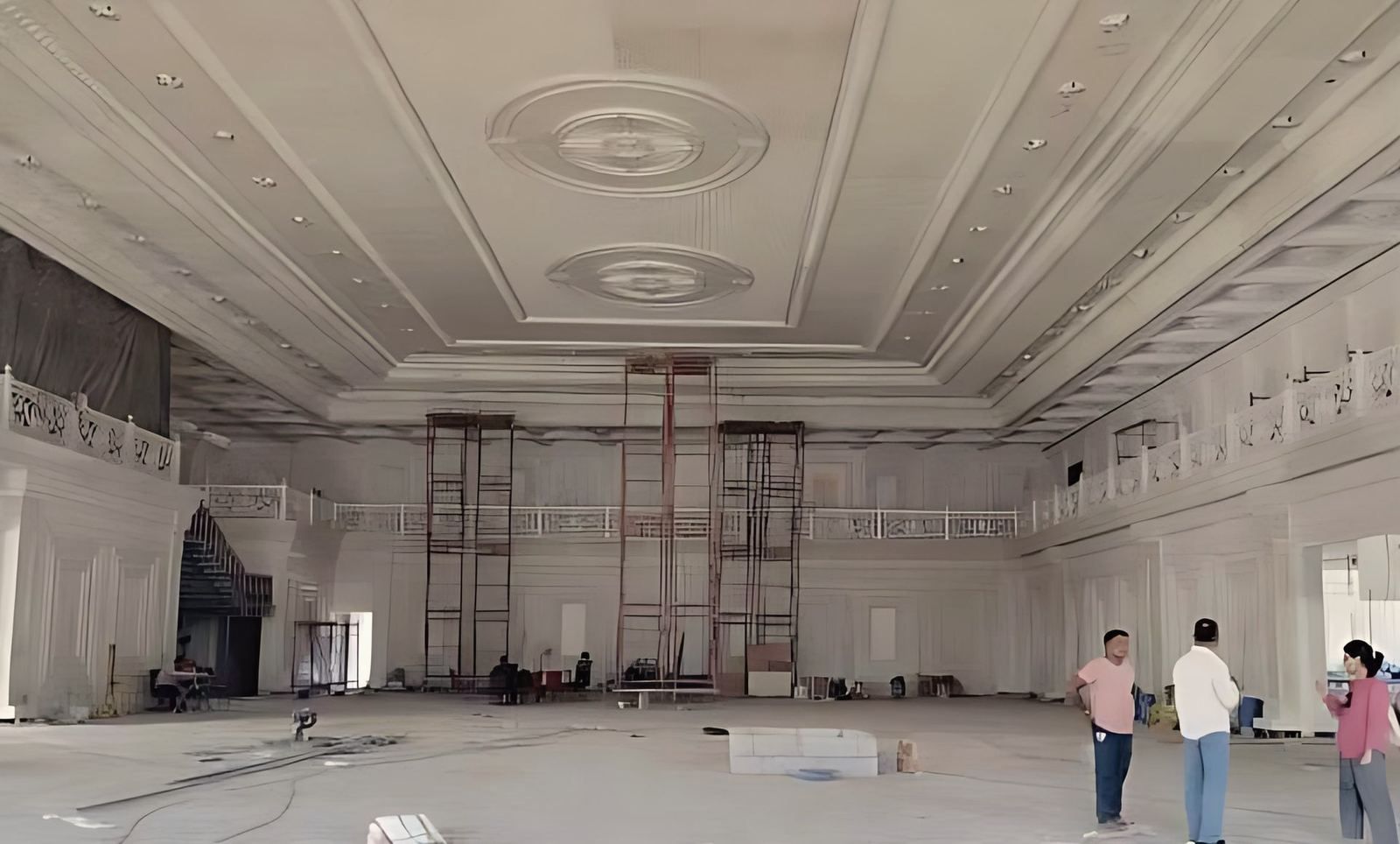
Building a house in Kolkata in 2026 costs about ₹1,339 to ₹3,792 per sq ft of built-up area, depending on the finish. InfraLens lists ₹1,339 to ₹1,995 for basic, ₹1,995 to ₹2,706 for standard and ₹2,704 to ₹3,792 for premium. A lender’s guide puts the average at ₹1,800 to ₹2,600.
What are the construction rates in Kolkata in 2026?
Published rates differ by source, so the useful number is a band. The table below sets two sources side by side, both for built-up area, accessed on 13 November 2026.
| Finish level | InfraLens (updated 24 Oct 2026) | SMFG Grihashakti (updated 10 Jun 2026) |
|---|---|---|
| Basic or economy | ₹1,339 to ₹1,995 | ₹1,800 to ₹2,200 |
| Standard or mid-range | ₹1,995 to ₹2,706 | ₹1,950 to ₹2,000 (listed as “good”) |
| Premium | ₹2,704 to ₹3,792 | ₹2,200 to ₹2,600 and above |
| Luxury | ₹3,792 to ₹5,440 | not listed |
InfraLens is a cost-data vendor and Grihashakti is a home-loan lender, so neither is an official rate card. Their overlap, roughly ₹1,800 to ₹2,700 per sq ft, is the range where a standard house in Kolkata most often falls. Treat anything far outside it as a reason to ask what the quotation leaves out.
What do basic, standard and premium finish mean?
A finish level is a bundle of materials and fittings. InfraLens describes the three tiers like this:
- Basic: a basic RCC frame, local cement, standard TMT bars, fly ash bricks, ceramic tiles and distemper paint.
- Standard: an RCC frame with pile or raft foundation, branded cement and steel, vitrified tiles, branded plumbing, emulsion paint and aluminium windows.
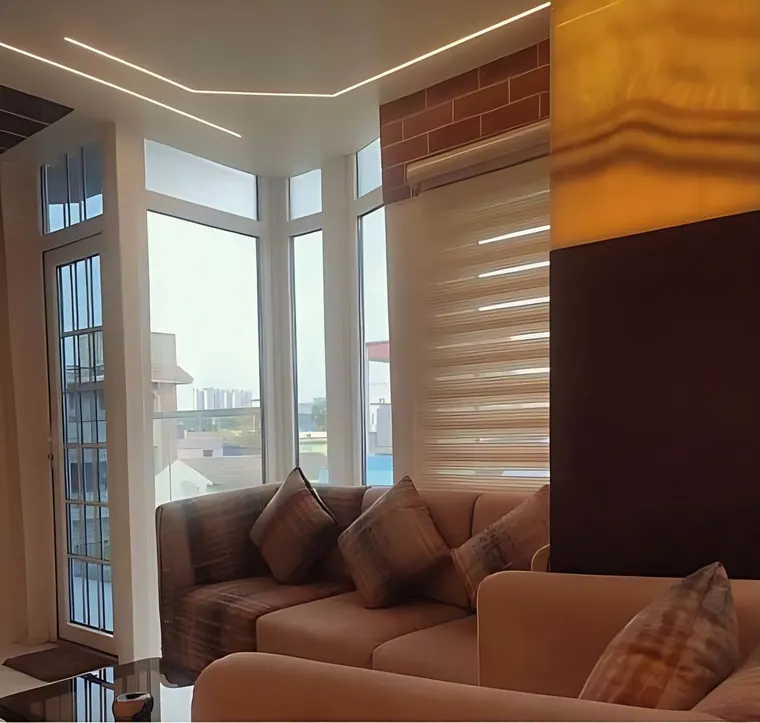
- Premium: imported marble or tile, teak joinery, modular kitchen, central air conditioning, false ceilings and advanced waterproofing.
The tier is set by the specification you sign off, not by the contractor’s word. A specification sheet that names brands, grades and thicknesses is what turns a rate into a price you can compare. The post on the bill of quantities and contractor selection shows how to write one.
What is the G+2 house construction cost in Kolkata?
For a G+2 house the cost follows from built-up area multiplied by the rate. Take a 3 cottah plot of about 2,160 sq ft. If the sanctioned design gives 4,200 sq ft of built-up area over three floors, which is an assumed figure for this worked example, the cost bands from InfraLens are:
| Finish | Rate per sq ft | Cost for 4,200 sq ft |
|---|---|---|
| Basic | ₹1,339 to ₹1,995 | ₹56 lakh to ₹84 lakh |
| Standard | ₹1,995 to ₹2,706 | ₹84 lakh to ₹1.14 crore |
| Premium | ₹2,704 to ₹3,792 | ₹1.14 crore to ₹1.59 crore |
The built-up area that a plot allows depends on the road width, ground coverage and height rules, which the post on house plans for 2, 3 and 5 cottah plots explains. The studio’s design for a house at Ballygunge Place, on a plot of 1,441 sq ft with 2,665 sq ft of built-up area over three floors, shows how a small plot is stacked upward.
Does the rate depend on the area of Kolkata?
Yes, and InfraLens publishes a zone table. The standard-finish column below is the useful comparison.
| Zone | Basic | Standard | Premium |
|---|---|---|---|
| South Kolkata (Jadavpur, Garia) | ₹1,600 | ₹2,100 | ₹3,200 and above |
| Salt Lake | ₹1,700 | ₹2,300 | ₹3,500 and above |
| New Town | ₹1,800 | ₹2,400 | ₹3,800 and above |
| EM Bypass corridor | ₹1,700 | ₹2,200 | ₹3,400 and above |
| North Kolkata | ₹1,500 | ₹1,900 | ₹2,800 and above |
| Howrah | ₹1,500 | ₹1,800 | ₹2,700 and above |
All figures are in ₹ per sq ft. The source gives reasons for the gaps, such as narrow lanes adding to logistics cost in older neighbourhoods and soft soil in New Town. Rates in a lender’s guide may place the same areas differently, so use the table to see the direction, not the decimal.
How much do soil and foundation add in Kolkata?
They can add a lot. InfraLens says Kolkata sits on alluvial soil, with a water table often one to three metres below ground, and that pile foundations are frequently needed from G+2 upward. It puts the pile cost at an extra ₹300 to ₹500 per sq ft and foundation work at 15% to 20% of the total.
These are one vendor’s figures, not a code requirement. Only a soil investigation can say whether your plot needs piles, a raft or simple footings. Order the soil test before the structural design, not after. Concrete itself is governed by IS 456:2000, which sets, among other things, a minimum cover of 50 mm to the reinforcement in footings, so the foundation specification affects the concrete quantity and the steel.
Damp and seepage are the other Kolkata cost item. The post on damp and seepage in monsoon Kolkata covers how waterproofing choices change the budget.
What is included in the per sq ft rate, and what is not?
The rate normally covers the civil structure and the finishes inside the building. It does not cover everything that a house costs. The Grihashakti guide lists the cost heads for a house in Kolkata as follows:
- Civil work and structure: RCC frame, foundation, brickwork, plastering and roofing.
- Architectural and engineering fees, which it puts at around 10% of the total.
- Approval fees and permits, at roughly 2% to 5%.
- Interior and finishing: tiles, paint, kitchen, fixtures and false ceilings.
- External features: boundary wall, landscaping, driveway and parking.
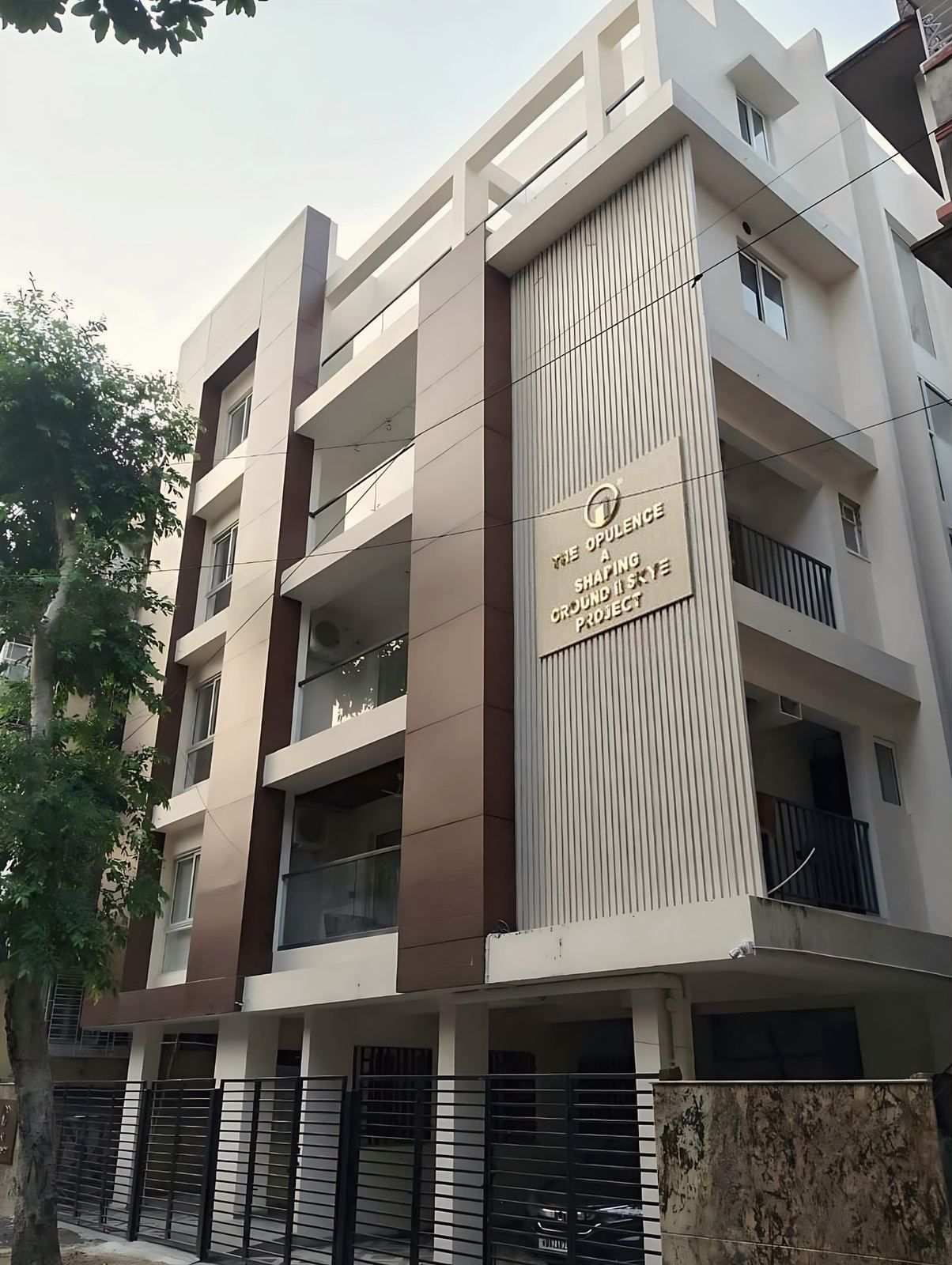
Land is separate from all of these. The studio’s fee basis is covered in the post on architect fees in Kolkata, and the municipal fees are paid to the authority as part of the sanction process. Apartment buildings add parking, lifts and common areas, so a project such as The Opulence at New Alipore, with 7,901 sq ft of homes over parking, does not price like a single house.
Which area does the rate apply to?
Ask whether the rate is on built-up area or carpet area. Built-up area includes the thickness of walls, stairs and balconies. Carpet area is the usable floor inside the walls and is smaller. InfraLens’s own sample budget for a one-bedroom home applies ₹2,050 per sq ft to 500 sq ft of carpet area, which shows how a quote can lean on either basis.
A contractor quoting ₹1,900 per sq ft on carpet area usually charges more than one quoting ₹2,000 per sq ft on built-up area, once the areas are converted. Put the area basis in the quotation, and compare quotations line by line.
How can an owner keep the cost under control?
Cost is controlled by decisions made before the first slab is cast.
- Fix the specification in writing before asking for quotations.
- Get the soil test and structural design done first, so the foundation is not a surprise.
- Compare at least three quotations on the same bill of quantities.
- Hold a contingency for items that cannot be known until the site is open, such as dewatering.
- Have the work checked at fixed stages by someone independent of the contractor.
The checks that matter at each stage are in the site supervision checklist for house construction.
What to do next
If you are budgeting for a plot in Kolkata, start with the soil test and the sanction constraints, because they decide the built-up area and the foundation. The architecture service page and the site supervision and project management page explain how the studio handles design and the build stage. Questions about a specific plot can go through the contact page.