A puja room in a flat needs a quiet spot, a window or exhaust to carry smoke out, a non-combustible base for lamps and a floor that is not slippery when wet. No building code or municipal rule sets a direction for it. Vastu tradition commonly cites the north-east or east, and following it is the family’s choice.
Where should the puja room go in a flat?
In a quiet part of the flat, close to a window or a ventilated wall, and away from the toilet and the main traffic. Tradition adds a direction. The Asian Paints Beautiful Homes blog, a paint brand’s lifestyle site, says Vastu Shastra recommends north-east, north or east for the puja room and that a person praying should face east or north. The studio found no primary Vastu text that states the rule, and sources differ on which way the idols should face, so treat direction as a family or priest’s decision. The post on the vastu house plan explains how an architect plans to a vastu brief on a real plot.
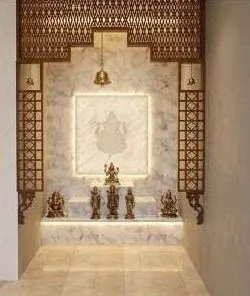
Neither the National Building Code nor the KMC Building Rules contain a puja-room rule. What the plan can do is give you a choice. In a flat, three arrangements are common:
- A dedicated room. A small enclosed room of its own, with a door and a window. Best for a household that prays daily.
- A niche or alcove. A recess in a living or dining wall, closed by doors, that opens when needed.
- A wall-mounted unit. A cabinet with a stable shelf and doors, fixed to a wall that can carry it.
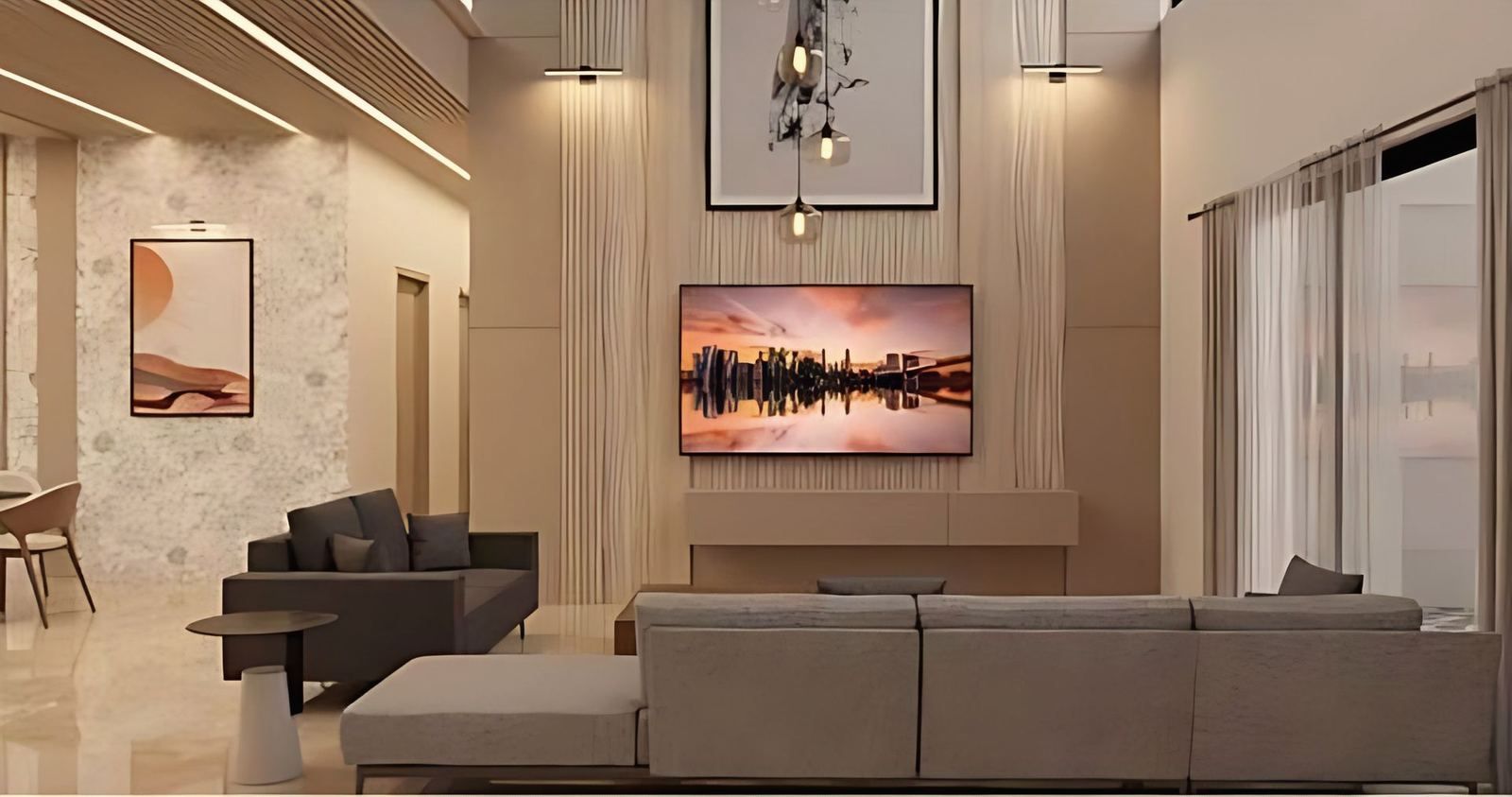
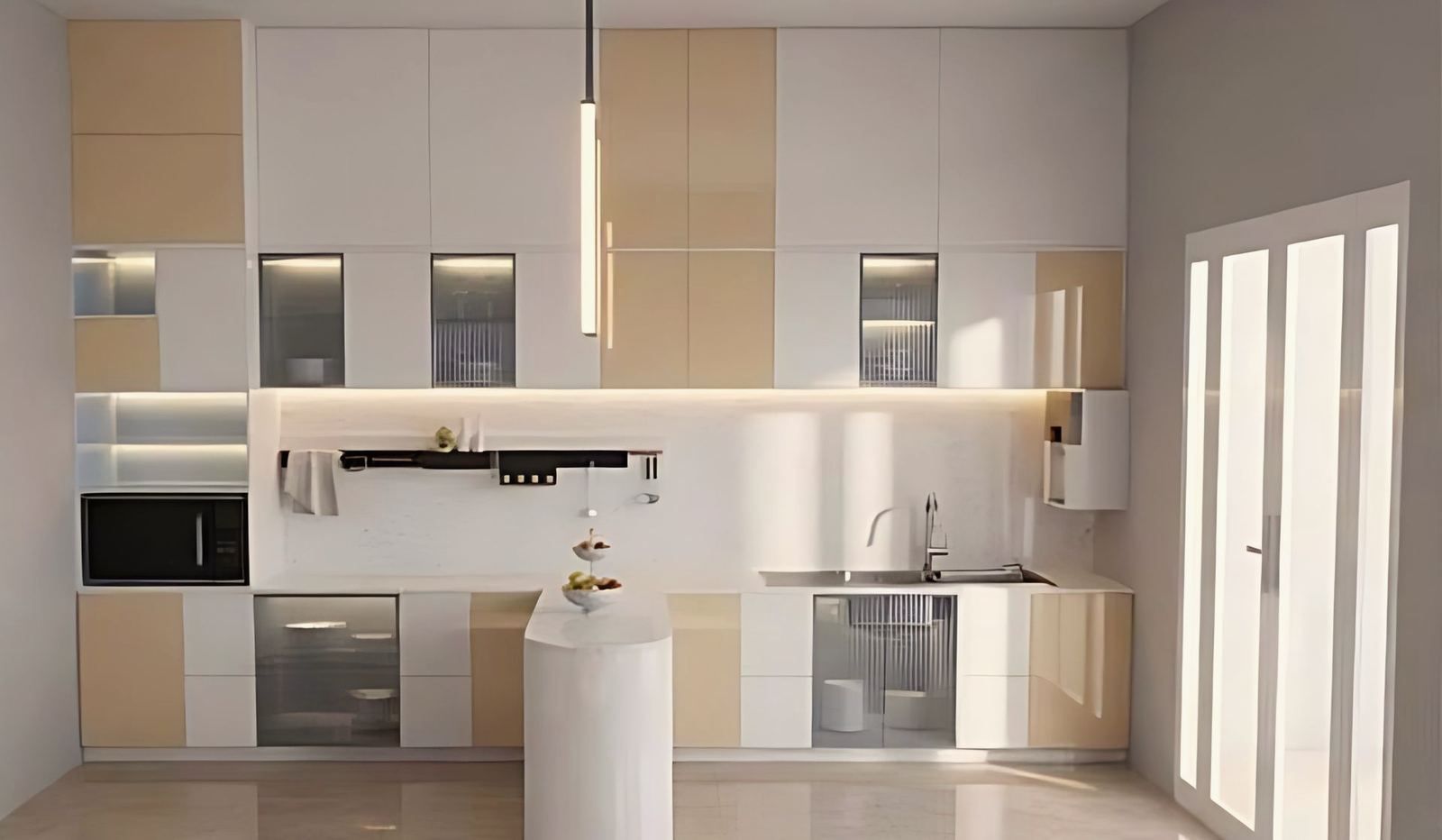
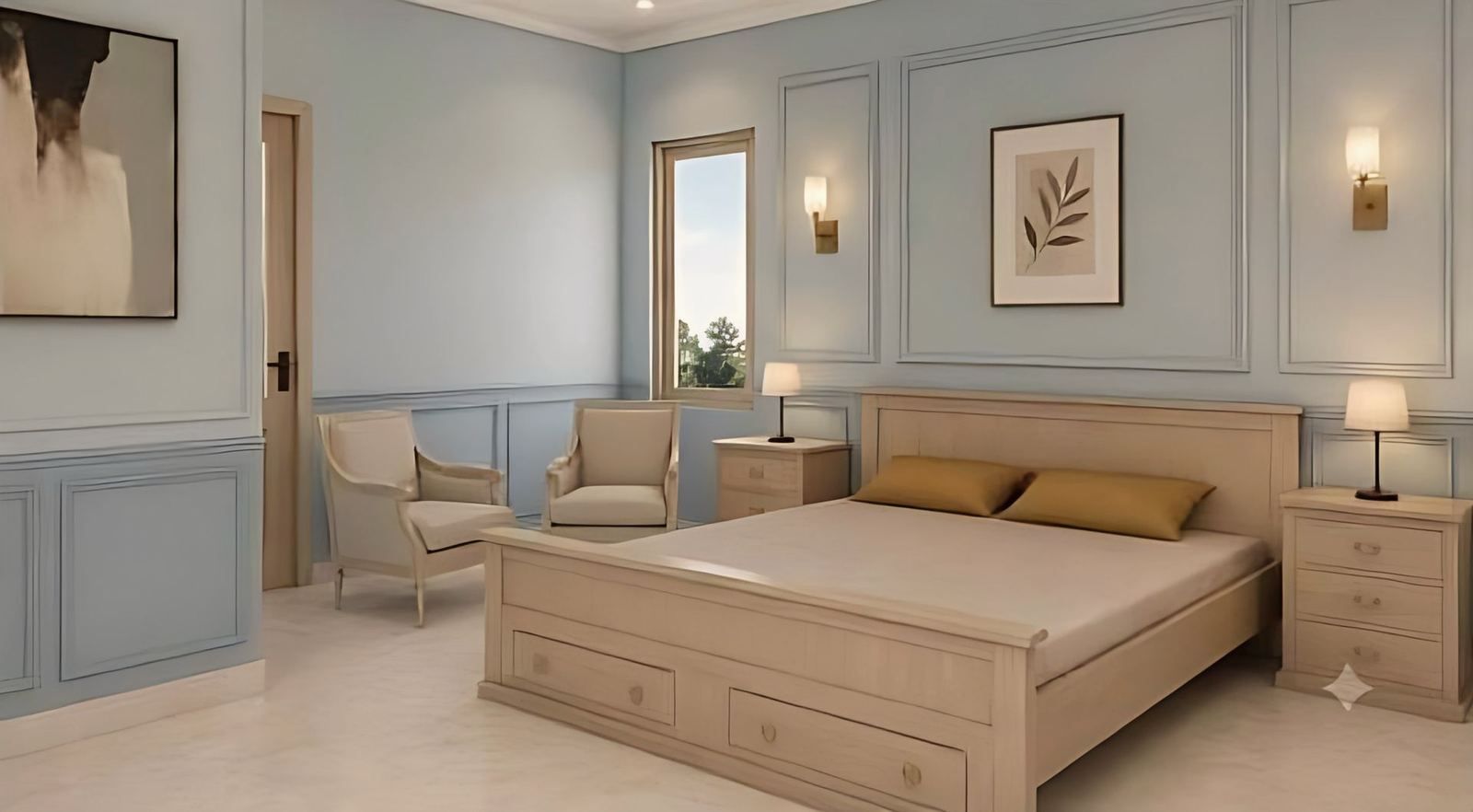
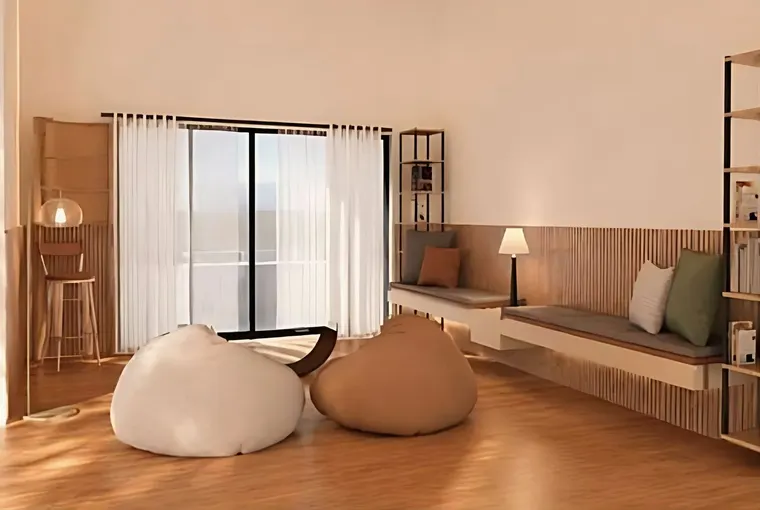
The studio’s Skydale Tower duplex in Siliguri has a puja room among its rooms, drawn in visualisation, alongside the living and dining rooms, the kitchens, a lounge and a study nook. The project is ongoing. See the Skydale Tower duplex and the post on the Skydale duplex interiors.
How do you ventilate a puja room?
Give it a window or an exhaust, because incense and lamps produce smoke. A study by researchers at IIT Kanpur, published in Aerosol and Air Quality Research, measured the air inside temples in Kanpur and recorded PM10 mass concentrations as high as 2,184 micrograms per cubic metre. All samples exceeded the 100 micrograms per cubic metre limit of India’s national ambient air quality standard, and the authors name ventilation and the amount of incense burned as major factors. Temples are larger and busier than a flat’s puja corner, so the numbers do not transfer, but the cause does.
A 2022 review in the Journal of Inflammation Research reports that incense burning generates four times the particulate matter of cigarettes, per gram. It is a review of the literature, and a gram of incense is not a gram of tobacco in daily use, so read it as a direction of risk, not a measure of exposure.
The practical response:
- Put the room on an outside wall with an openable window, or fit a small exhaust fan that discharges outside, not into a shaft shared with other flats.
- Keep the door of the puja room open or louvred when incense is burning, so the smoke can leave.
- Burn less. One stick is enough in a small room.
- Keep the room out of the bedroom if anyone sleeping there has asthma or a chest condition.
The studio did not find a standard that gives an air-change rate for a puja room, so this post gives none.
How do you keep lamps and incense safe?
Treat them as open flames. Maharashtra Fire Services’ public advice warns against keeping incense sticks or lamps carelessly near the photographs of the deities. A fire service in the United Kingdom, Warwickshire Fire and Rescue, advises keeping lit candles, diyas and other light sources away from curtains, decorations and anything flammable, and placing diyas in non-combustible containers or on stable surfaces. That is a British source, but the advice is general.
In the design, this means:
- A non-combustible base. Stone, tile or metal under the lamp, not bare timber or a cloth cover.
- A clear zone. No curtains, paper decorations or garlands close to the flame, and no shelf directly above it.
- Wiring kept away. Electrical sockets and string lights should not sit within reach of a lamp.
- A fire extinguisher or a bucket of sand in the flat, kept near the kitchen or the entrance.
The National Building Code Part 4 has no puja-room rule for dwellings, so the safe practice above is not a legal requirement.
Which floors and materials suit a puja room?
Choose a floor that is not slippery when wet, since water, ghee and oil are in use. The Harmonised Guidelines 2021 rate polished marble and granite as having very poor slip resistance when wet and polished, and the NBC’s accessibility annex says slippery surfaces like granite and glazed tiles should be avoided on stairs. A honed or textured finish, or a non-slip tile, is a better choice for the floor of the room.
For the shrine unit itself:
- Timber is warm and traditional, but it is combustible, so keep a stone or metal tray under the lamp. Fire-retardant plywood is a treatment: IS 5509:2000 says plywood cannot be made completely fireproof.
- Stone is stable and easy to wipe. Use a non-slip finish on the floor, not on the shrine’s shelf.
- Wall finish. Choose a washable finish near the lamps, since soot collects over time.
The studio found no named source that compares marble, granite and timber for heat or moisture behaviour at a shrine, so this post makes no such comparison. The post on minimalist interior design covers the board choices for the cabinets.
How big does a puja room need to be?
Size it by how the household prays. A family that prays seated on the floor needs about the space of a floor mat, plus room to move around the shrine; a household that prays standing in front of a wall unit needs very little. In a small flat, the post on planning a 600 to 900 sq ft flat shows how to find the corner. These are design choices, and there is no code minimum.
What should you do next?
If you are planning a flat interior with a puja room, the studio’s interior design service covers the placement, the ventilation, the shrine unit and the finishes. The contact page has the studio’s phone, email and form.